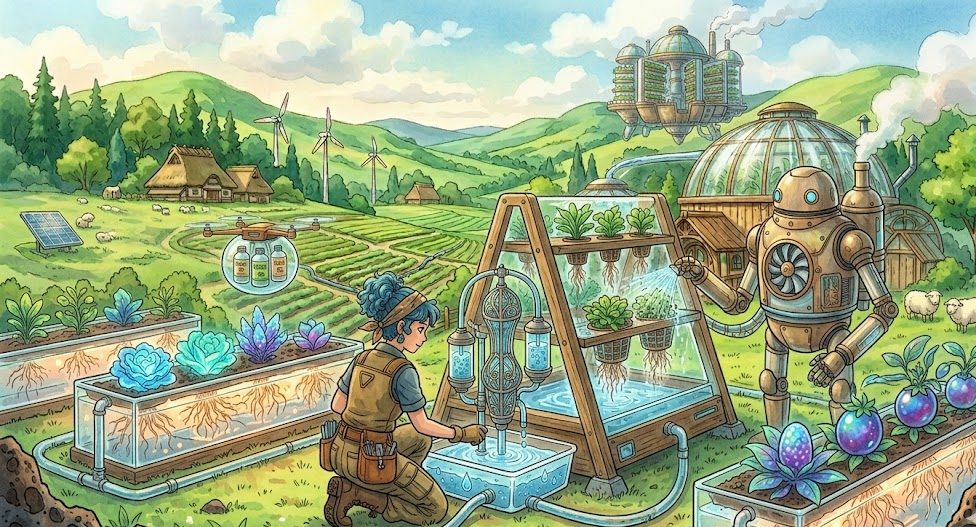
Imagine harvesting crisp, vibrant lettuce or fragrant basil right inside your home, without ever getting a speck of dirt under your fingernails. For thousands of years, agriculture has been tied to the earth. If you wanted to grow food, you needed good soil, favorable weather, and plenty of space. Today, modern agriculture has rewritten those rules.
Hydroponics is the science of growing plants without soil. Instead of forcing roots to search through dirt for food, hydroponic systems deliver a perfectly balanced, nutrient-rich water solution directly to the plant’s root zone. This targeted approach allows plants to grow incredibly fast, incredibly healthy, and in places where traditional farming is completely impossible.
Whether you want to grow fresh herbs in a small apartment or dream of building a larger, modern farm setup, hydroponics offers a highly efficient path forward. Let us break down everything you need to know to start growing without soil.
Why Choose Hydroponic Farming?
Stepping away from traditional soil gardening might feel intimidating at first, but the practical benefits of hydroponics are hard to ignore.
First, it is incredibly resource-efficient. Because the water in a hydroponic system is captured and recirculated, it uses up to ninety percent less water than an outdoor garden. In a world where clean water is becoming a premium resource, this efficiency is revolutionary.
Second, plants grow significantly faster. In traditional farming, a plant spends a massive amount of energy expanding its root system to hunt for water and minerals. In a hydroponic setup, food and water are delivered right to the roots. The plant takes all that saved energy and puts it directly into growing lush leaves and heavy fruits.
Finally, hydroponics eliminates soil-borne pests and weeds. You will never have to spend your weekends pulling weeds or spraying harsh chemical herbicides. The growing environment is clean, controlled, and highly predictable.
Practical Tips for Getting Started
Starting your first hydroponic garden is an exciting process. To ensure your first harvest is a success, keep these fundamental, practical tips in mind.
- Start with the Right Crops: Do not begin your hydroponic journey by trying to grow complex, heavy-fruiting plants like watermelons or pumpkins. Start with leafy greens. Lettuce, spinach, kale, and herbs like mint and basil are incredibly forgiving and grow rapidly in water.
- Invest in a Good pH Meter: Plants can only absorb nutrients if the water’s acidity is at the right level. For most hydroponic crops, a pH level between 5.5 and 6.5 is ideal. A simple digital pH meter will save you from endless frustration and nutrient lock-out.
- Keep the Water Cool: Plant roots need oxygen to survive. Warm water holds significantly less dissolved oxygen than cool water. Try to keep your nutrient reservoir between 65°F and 70°F (18°C to 21°C) to prevent root rot and keep your plants thriving.
- Focus on Quality Lighting: If you are growing indoors, standard ceiling lights will not work. You need dedicated LED grow lights that provide the full spectrum of light necessary for photosynthesis. Position the lights close enough to the plants to prevent them from stretching and becoming weak.
A Real-Life Example: The Modern Urban Grower
To understand the real potential of soil-less farming, consider the story of a modern farmer who wanted to grow commercial-quality produce but had absolutely no access to outdoor land. Living in a densely populated urban area, his only available space was an empty, climate-controlled spare room.
Instead of renting expensive agricultural land outside the city, he built a clean, highly efficient vertical hydroponic setup right in that spare room. He used simple PVC pipes and a centralized water pump to cycle nutrient water to hundreds of basil and butterhead lettuce plants.
Because he controlled the light, temperature, and nutrients perfectly, weather and seasons no longer mattered. His modern, soil-less farm produced a consistent, weekly harvest of pristine greens. Within six months, this modern urban farmer was easily out-producing traditional outdoor plots of the same size, supplying fresh, high-quality herbs to local cafes year-round.
Step-by-Step Guide: Building a Simple DWC System
There are many different types of hydroponic setups, but Deep Water Culture (DWC) is the absolute best starting point for beginners. It is inexpensive, easy to build, and highly effective.
Step 1: Choose Your Reservoir. Get a large, dark-colored plastic storage tote with a sturdy lid. It is crucial that the container is completely opaque. If light hits the nutrient water, algae will quickly grow and steal oxygen from your plant roots.
Step 2: Prepare the Lid. Use a hole saw to cut circular openings into the plastic lid. These holes should be sized to perfectly fit standard plastic net pots (usually two or three inches wide).
Step 3: Set Up the Air Supply. Place an airstone at the bottom of the empty tote. Connect the airstone to a small aquarium air pump outside the box using flexible plastic tubing. This air pump will run 24/7 to keep the water highly oxygenated.
Step 4: Mix the Nutrients. Fill the tote with clean water, stopping about an inch below the bottom of the net pots. Follow the instructions on a beginner-friendly, liquid hydroponic nutrient blend to mix the plant food into the water. Check and adjust the pH.
Step 5: Plant Your Seedlings. Take a healthy, young seedling (lettuce works perfectly) and gently rinse all the dirt off its roots. Place the roots into the net pot and gently pack clay pebbles around the stem to hold the plant completely upright.
Step 6: Drop and Grow. Drop the net pots into the holes in the lid. Turn on the air pump. The bubbling water will naturally splash up, keeping the clay pebbles and the young roots damp. As the plant grows, its roots will drop down directly into the deep, bubbling nutrient water.
Common Mistakes to Avoid
Even with the best intentions, beginners often fall into a few common traps. Avoid these mistakes to keep your indoor garden healthy.
- Using Transparent Containers: As mentioned earlier, light hitting nutrient water is a recipe for disaster. Algae will bloom rapidly, turning your water green and suffocating your plants. Always use black or dark storage bins, or wrap clear containers in thick foil.
- Suffocating the Roots: Plant roots need to breathe. If your air pump breaks, or if you accidentally unplug it, the oxygen in the water will quickly deplete. Without oxygen, the roots will drown, rot, and die within a matter of days. Always check your air bubbles.
- Over-Feeding the Plants: More food does not equal faster growth. If you mix your nutrient solution too strong, the heavy salt concentration will literally burn the plant roots. It is always better to slightly under-feed your plants than to over-feed them.
- Ignoring Sanitation: Hydroponic systems must be kept clean. Whenever you harvest a crop, thoroughly wash the plastic tote, the net pots, and the air stones with mild soap and warm water before starting your next batch of plants.
Conclusion
Growing crops without soil is an incredibly rewarding experience. It takes the traditional guesswork out of farming and replaces it with precision, cleanliness, and rapid growth. By controlling the exact environment your plants live in, you guarantee them a perfect growing season, every single day of the year.
Starting a hydroponic garden does not require a science degree or massive financial investment. A simple plastic tote, some bubbling water, and a good grow light are all you need to take your first steps into the future of agriculture. Once you taste that first harvest of fresh, soil-free greens, you will likely never look at traditional farming the same way again.
Frequently Asked Questions (FAQs)
Q: Is hydroponic food as healthy as soil-grown food? A: Yes, absolutely. Plants simply require specific basic elements (like nitrogen, phosphorus, and potassium) to grow and create vitamins. Whether they absorb these elements from broken-down soil or from a clean liquid nutrient solution, the nutritional value of the final vegetable is virtually identical.
Q: How much electricity does a basic hydroponic setup use? A: A basic setup is very energy efficient. The aquarium air pump draws minimal power, similar to a small light bulb. The main electricity draw will be your LED grow lights, but modern LEDs are highly efficient and will only add a small amount to your monthly power bill.
Q: Do I have to use liquid nutrients, or can I make my own? A: For beginners, it is highly recommended to buy pre-mixed liquid hydroponic nutrients. They are scientifically balanced to provide exactly what the plants need. Making your own nutrient tea from compost is possible, but it is difficult to balance the pH and can easily clog your pumps.
Q: Can I set up a hydroponic system outside? A: Yes, you can run hydroponics outdoors. However, you must carefully monitor the temperature of the water reservoir. The hot afternoon sun can easily heat the plastic tote, cooking the roots inside. You also lose the pest-control benefits of an indoor, enclosed environment.
Q: How often do I need to completely change the water in the system? A: As your plants drink the water, you will need to top off the reservoir with fresh water and slightly more nutrients. However, every two to three weeks, it is best practice to completely empty the reservoir, rinse it out, and mix a entirely fresh batch of nutrient water to prevent salt buildup.