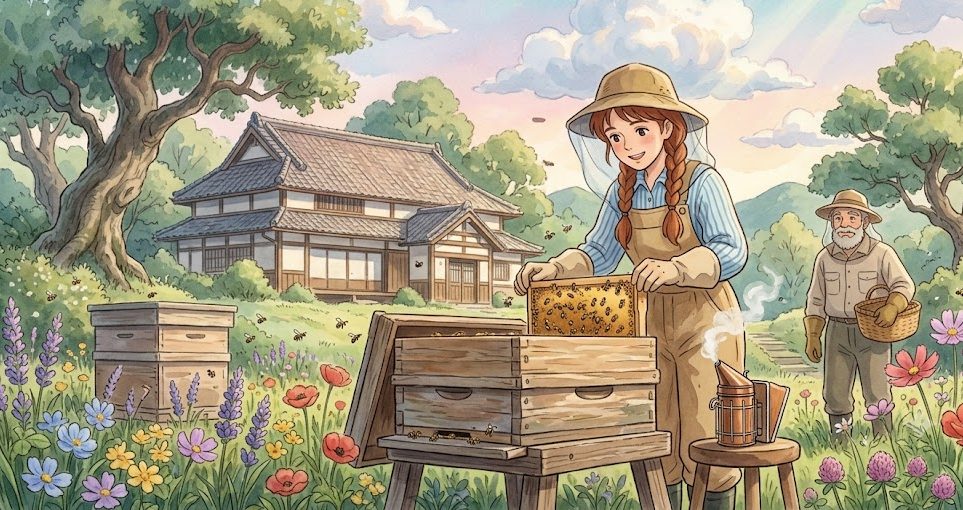
Beekeeping is a fascinating agricultural activity that combines careful observation, practical management, and an understanding of bee behavior. A well-managed apiary can produce honey and other hive products while also supporting pollination in suitable agricultural environments.
Modern beekeeping is not simply about placing a hive in a field and waiting for honey. Successful beekeepers regularly monitor colonies, maintain equipment, manage seasonal changes, provide appropriate support when necessary, and watch for signs of pests or disease.
The most important principle is to manage the colony, not just the hive. A hive is the physical home, while the colony is a living system made up of bees with different roles and changing needs.
This guide explains the major areas of modern beekeeping, from selecting an apiary location and managing hives to maintaining bee health, supporting honey production, harvesting honey, and preparing colonies for changing seasons.
Understanding the Honey Bee Colony
A honey bee colony is organized around several types of bees.
The main groups include:
- Queen
- Worker bees
- Drones
The queen is the primary reproductive female of the colony. Worker bees perform many different tasks throughout their lives, including cleaning cells, feeding young bees, building comb, guarding the entrance, and collecting nectar and pollen.
Drones are male bees whose primary biological role is mating with queens.
The colony’s needs change as seasons, weather, food availability, and population levels change.
Understanding these basic roles helps beekeepers interpret what they see during hive inspections.
Choosing a Suitable Apiary Location
Location can strongly influence colony performance.
An apiary should ideally provide access to suitable flowering plants while offering protection from extreme environmental conditions.
Consider:
- Availability of flowering plants
- Access to clean water
- Protection from strong winds
- Morning sunlight
- Good drainage
- Safe access for the beekeeper
- Distance from heavy human activity
- Protection from flooding
- Local regulations
Bees can travel considerable distances while foraging, but having good forage relatively close to the apiary can be beneficial.
The surrounding landscape should be evaluated across different seasons rather than only during one flowering period.
Provide a Reliable Water Source
Bees need water for colony activities, particularly during warm weather.
If a natural water source is not reliably available, beekeepers can provide a suitable water source near the apiary.
It is better to establish a safe water source before bees begin searching for alternatives.
Water sources should allow bees to land safely and should be managed to reduce contamination and drowning risks.
Select Appropriate Hive Equipment
Modern beekeeping uses different hive designs and equipment systems.
The choice depends on:
- Local climate
- Bee species or strain
- Management style
- Availability of equipment
- Local beekeeping practices
- Cost
- Ease of inspection
A practical hive system should allow the beekeeper to inspect the colony, manage brood and food stores, control space, and harvest honey without unnecessarily damaging the colony.
Consistency is also helpful. Using compatible equipment makes maintenance and expansion easier.
Install Colonies Carefully
When establishing a new apiary, the condition of the colony matters more than simply acquiring a large number of hives.
A healthy colony should have active workers, appropriate brood development, sufficient food stores, and a functioning queen.
New colonies may need time to establish themselves before being expected to produce significant surplus honey.
Beekeepers should avoid putting unnecessary pressure on a newly established colony by harvesting too early or giving it more space than it can manage.
Learn to Read the Hive
Regular inspection is one of the most important skills in beekeeping.
A beekeeper should learn to recognize normal and abnormal colony conditions.
During an inspection, look for:
- Queen presence or evidence of her activity
- Brood pattern
- Food stores
- Population strength
- Comb condition
- Pests
- Disease symptoms
- Swarming signs
- Available space
The beekeeper does not necessarily need to inspect every part of every hive constantly.
The goal is to gather enough information to make sensible management decisions without causing excessive disturbance.
Handle Bees Calmly
Calm handling reduces stress for both bees and beekeeper.
Protective clothing should be appropriate for the situation, and a smoker may be used according to accepted beekeeping practices.
Hive tools should be used carefully.
Avoid crushing bees unnecessarily, and move frames slowly and deliberately.
Overly rough handling can damage comb, injure bees, and make inspections more difficult.
With experience, beekeepers become better at recognizing when a colony is calm and when it is becoming defensive.
Manage Hive Space
Colonies need enough room to expand, but excessive empty space can also make colony management less efficient.
As the colony grows, additional space may be provided according to the hive system being used.
The beekeeper should monitor:
- Brood expansion
- Honey storage
- Comb availability
- Population size
- Swarming tendency
Providing additional space at an appropriate time can help manage strong colonies and support honey storage.
However, simply adding more boxes does not solve every colony-management problem.
Understand Swarming
Swarming is a natural reproductive behavior of honey bee colonies.
When a colony becomes strong and conditions are suitable, part of the colony may leave with a queen to establish another colony.
Swarming is not automatically a sign of poor health. However, losing a large portion of a productive colony can affect honey production and colony management.
Beekeepers can learn to recognize signs associated with swarm preparation and use appropriate management techniques based on local beekeeping practices.
Good timing is important because swarm prevention is much easier before the colony has already left.
Monitor Food Stores
Honey and pollen are important food resources for the colony.
During periods of strong nectar flow, bees may build substantial stores. During periods with limited flowering, those stores can become critical.
Beekeepers should monitor whether colonies have adequate food reserves, particularly during:
- Extended dry periods
- Cold weather
- Rainy periods
- Times of limited flowering
- Colony establishment
If supplemental feeding becomes necessary, it should be based on the colony’s actual needs and local beekeeping recommendations.
Feeding should never replace good forage planning where natural forage is available.
Encourage Good Forage Around the Apiary
Bee health and honey production depend heavily on the surrounding environment.
A diverse supply of flowering plants can provide nectar and pollen during different parts of the year.
Suitable forage may include:
- Flowering trees
- Shrubs
- Field crops
- Garden plants
- Wildflowers
- Cover crops
The exact plants suitable for an apiary depend on climate and region.
Beekeepers can create a seasonal flowering calendar to understand when major food sources become available.
This can help explain changes in colony activity throughout the year.
Protect Bee Health
Healthy colonies are the foundation of productive beekeeping.
Bee health can be affected by:
- Parasites
- Diseases
- Poor nutrition
- Pesticide exposure
- Extreme weather
- Weak genetics
- Poor hive conditions
- Stress from excessive disturbance
Regular monitoring allows problems to be identified earlier.
Beekeepers should learn what healthy brood, adult bees, and normal colony activity look like.
When disease or serious pest problems are suspected, advice from a qualified apiculture professional or local agricultural authority can help determine the appropriate response.
Monitor Common Hive Pests
Several pests can cause problems for honey bee colonies.
The specific pest risks vary by region, but beekeepers should understand the pests common in their area.
Regular monitoring can help identify:
- Unusual brood damage
- Abnormal bee behavior
- Hive debris
- Damaged comb
- Population decline
- Visible parasites
Integrated pest management is preferable to reacting only after a colony has become severely affected.
Monitoring, sanitation, colony strength, equipment management, and appropriate treatments can all be part of a responsible approach.
Keep Hive Equipment Clean and Functional
Equipment maintenance is easy to overlook.
Inspect:
- Hive boxes
- Frames
- Bottom boards
- Covers
- Entrance areas
- Feeders
- Protective equipment
- Hive tools
Damaged equipment can allow unwanted moisture or pests into the hive and can make inspections more difficult.
Old or badly damaged comb may also require management depending on the beekeeper’s system and local recommendations.
Clean and well-maintained equipment makes routine work easier.
Understand the Honey Flow
Honey production depends heavily on nectar availability.
During a strong nectar flow, colonies may collect large quantities of nectar.
The beekeeper should understand:
- Which plants are flowering
- When major flowering periods occur
- How weather affects nectar production
- Whether colonies are strong enough to take advantage of the flow
- Whether sufficient hive space is available
Weather can significantly influence flowering and nectar collection.
A strong flowering season does not always guarantee a strong honey harvest.
Add Honey Supers at the Right Time
For beekeepers using hive systems with separate honey-storage areas, additional space should be provided according to colony strength and nectar flow.
Adding space too early can create unnecessary management challenges, while adding it too late may limit available storage.
The right timing depends on:
- Colony population
- Brood area
- Nectar flow
- Existing honey stores
- Weather
- Hive design
Observation is more useful than following a rigid calendar.
Harvest Honey Carefully
Honey should be harvested when it has reached an appropriate stage for storage and market requirements.
The beekeeper should avoid taking food reserves that the colony needs to survive.
Before harvesting, evaluate the colony’s overall condition and available food.
Honey harvesting generally involves:
- Selecting suitable honey-filled combs.
- Removing bees from the honey-storage area.
- Transporting combs carefully.
- Uncapping the honey.
- Extracting honey where appropriate.
- Filtering or straining according to the intended product.
- Storing honey in suitable food-grade containers.
The exact process depends on the type of hive and harvesting equipment.
Maintain Honey Quality
Honey quality can be affected by moisture, contamination, storage conditions, and handling.
Good practices include:
- Using clean equipment
- Avoiding unnecessary contamination
- Using suitable food-grade containers
- Keeping honey protected from moisture
- Storing it appropriately
- Maintaining clean extraction areas
Honey should be handled as a food product from the moment it leaves the hive.
Packaging and labeling should also follow applicable local requirements.
Seasonal Beekeeping Management
Beekeeping changes throughout the year.
Spring and Colony Expansion
When flowering increases and temperatures become suitable, colonies may expand rapidly.
This can be a period of:
- Brood expansion
- Increased foraging
- Swarm preparation
- Hive-space management
Regular monitoring becomes especially important.
Summer Management
Hot weather can create additional challenges.
Bees may require reliable access to water, while hive ventilation and exposure to excessive heat should be monitored.
Strong colonies may remain highly active during good flowering periods.
Rainy Periods
Extended rain can reduce foraging opportunities.
Wet weather may also increase moisture-related problems around the apiary.
Beekeepers should monitor food stores and ensure that hive equipment remains in good condition.
Cooler Months
Depending on the local climate, colony activity may decrease during cooler periods.
The beekeeper should avoid unnecessary disturbance and monitor whether colonies have sufficient food.
Seasonal management should always reflect the local climate rather than following a calendar designed for a completely different region.
Protect Bees From Pesticide Exposure
Agricultural chemicals can create risks for bees when used improperly.
Beekeepers should understand pesticide use in the surrounding area and communicate with nearby farmers where possible.
When crop-protection products are necessary, responsible application practices and label instructions should be followed.
Planting diverse forage areas and maintaining communication with neighboring landowners can help reduce avoidable risks.
The objective is to support both crop production and pollinator health.
Keep Detailed Apiary Records
Good records are one of the most useful modern beekeeping tools.
For each hive, record:
- Hive identification
- Queen information
- Colony strength
- Inspection dates
- Brood condition
- Food stores
- Pest observations
- Disease concerns
- Feeding
- Treatments
- Swarm activity
- Honey harvest
- Equipment changes
A simple spreadsheet or beekeeping application can organize this information.
Over time, records can reveal which colonies consistently perform well and which require more attention.
Select and Maintain Strong Colonies
Colony performance can vary.
Some colonies may show stronger population growth, better foraging behavior, calmer temperament, or better productivity than others.
Careful record keeping allows beekeepers to identify these differences.
Where appropriate, responsible queen and colony management can help improve the overall apiary over multiple seasons.
However, selection should consider more than honey production. Colony health, temperament, resilience, and suitability for local conditions are also important.
Plan for Honey Markets
Honey production is only one part of the business.
Before expanding an apiary, understand the intended market.
Possible channels include:
- Direct customers
- Local stores
- Farmers’ markets
- Specialty food shops
- Online sales
- Wholesale buyers
Different customers may have different expectations regarding packaging, labeling, quantity, and presentation.
The cost of jars, labels, transportation, processing, and market fees should be included when calculating profitability.
Diversify Beyond Honey
Beekeeping can potentially produce several hive products.
Depending on the operation and local regulations, these may include:
- Beeswax
- Propolis
- Pollen
- Other specialty hive products
Each product requires its own handling and market considerations.
Beekeepers should avoid removing resources that colonies need for healthy development simply to increase short-term product output.
Colony health should remain the priority.
Modern Technology in Beekeeping
Technology can make hive management more organized.
Useful tools may include:
- Digital hive scales
- Temperature sensors
- Humidity monitoring
- Mobile record-keeping apps
- Remote hive monitoring
- GPS location records
- Digital weather information
- Electronic inventory systems
For example, a hive scale can help indicate changes in colony weight associated with nectar collection or food consumption.
Technology should complement physical inspections rather than completely replace them.
A beekeeper still needs to understand what is happening inside the colony.
Common Beekeeping Mistakes
New beekeepers often make avoidable mistakes such as:
- Inspecting colonies too frequently
- Ignoring seasonal changes
- Harvesting too much honey
- Buying weak colonies
- Failing to monitor pests
- Using poor-quality equipment
- Ignoring water availability
- Placing hives in unsuitable locations
- Overfeeding without understanding colony needs
- Keeping poor records
- Expanding the apiary too quickly
Good beekeeping is generally built through observation and gradual experience.
A Practical Hive Management Routine
A simple routine can keep an apiary organized.
Regular Observation
Watch hive entrances for unusual activity, changes in foraging, or abnormal behavior.
Scheduled Inspections
Inspect colonies according to season and local conditions rather than disturbing them unnecessarily.
Record Findings
Write down important observations immediately.
Respond to Problems
Address pest, disease, food, space, or equipment issues before they become severe.
Review Performance
At the end of each major season, compare colony strength, honey production, health issues, and management costs.
This creates a continuous improvement process.
Final Thoughts
Modern beekeeping combines traditional observation with organized management and useful technology.
A successful beekeeper needs to understand colony behavior, maintain suitable hive conditions, monitor bee health, provide appropriate support during difficult periods, and take advantage of strong flowering seasons without putting unnecessary pressure on colonies.
Honey production is the result of many factors working together. Healthy colonies, suitable forage, good equipment, proper seasonal management, responsible harvesting, and careful record keeping all contribute to a productive apiary.
The best approach is to build strong fundamentals first and introduce technology or additional hive products as the operation develops.
With patient management and regular observation, beekeeping can become a rewarding agricultural activity while also contributing to pollination and a healthier farm ecosystem. Guide: Hive Management, Bee Health, Honey Production, and Seasonal Care
Beekeeping is a fascinating agricultural activity that combines careful observation, practical management, and an understanding of bee behavior. A well-managed apiary can produce honey and other hive products while also supporting pollination in suitable agricultural environments.
Modern beekeeping is not simply about placing a hive in a field and waiting for honey. Successful beekeepers regularly monitor colonies, maintain equipment, manage seasonal changes, provide appropriate support when necessary, and watch for signs of pests or disease.
The most important principle is to manage the colony, not just the hive. A hive is the physical home, while the colony is a living system made up of bees with different roles and changing needs.
This guide explains the major areas of modern beekeeping, from selecting an apiary location and managing hives to maintaining bee health, supporting honey production, harvesting honey, and preparing colonies for changing seasons.
Understanding the Honey Bee Colony
A honey bee colony is organized around several types of bees.
The main groups include:
- Queen
- Worker bees
- Drones
The queen is the primary reproductive female of the colony. Worker bees perform many different tasks throughout their lives, including cleaning cells, feeding young bees, building comb, guarding the entrance, and collecting nectar and pollen.
Drones are male bees whose primary biological role is mating with queens.
The colony’s needs change as seasons, weather, food availability, and population levels change.
Understanding these basic roles helps beekeepers interpret what they see during hive inspections.
Choosing a Suitable Apiary Location
Location can strongly influence colony performance.
An apiary should ideally provide access to suitable flowering plants while offering protection from extreme environmental conditions.
Consider:
- Availability of flowering plants
- Access to clean water
- Protection from strong winds
- Morning sunlight
- Good drainage
- Safe access for the beekeeper
- Distance from heavy human activity
- Protection from flooding
- Local regulations
Bees can travel considerable distances while foraging, but having good forage relatively close to the apiary can be beneficial.
The surrounding landscape should be evaluated across different seasons rather than only during one flowering period.
Provide a Reliable Water Source
Bees need water for colony activities, particularly during warm weather.
If a natural water source is not reliably available, beekeepers can provide a suitable water source near the apiary.
It is better to establish a safe water source before bees begin searching for alternatives.
Water sources should allow bees to land safely and should be managed to reduce contamination and drowning risks.
Select Appropriate Hive Equipment
Modern beekeeping uses different hive designs and equipment systems.
The choice depends on:
- Local climate
- Bee species or strain
- Management style
- Availability of equipment
- Local beekeeping practices
- Cost
- Ease of inspection
A practical hive system should allow the beekeeper to inspect the colony, manage brood and food stores, control space, and harvest honey without unnecessarily damaging the colony.
Consistency is also helpful. Using compatible equipment makes maintenance and expansion easier.
Install Colonies Carefully
When establishing a new apiary, the condition of the colony matters more than simply acquiring a large number of hives.
A healthy colony should have active workers, appropriate brood development, sufficient food stores, and a functioning queen.
New colonies may need time to establish themselves before being expected to produce significant surplus honey.
Beekeepers should avoid putting unnecessary pressure on a newly established colony by harvesting too early or giving it more space than it can manage.
Learn to Read the Hive
Regular inspection is one of the most important skills in beekeeping.
A beekeeper should learn to recognize normal and abnormal colony conditions.
During an inspection, look for:
- Queen presence or evidence of her activity
- Brood pattern
- Food stores
- Population strength
- Comb condition
- Pests
- Disease symptoms
- Swarming signs
- Available space
The beekeeper does not necessarily need to inspect every part of every hive constantly.
The goal is to gather enough information to make sensible management decisions without causing excessive disturbance.
Handle Bees Calmly
Calm handling reduces stress for both bees and beekeeper.
Protective clothing should be appropriate for the situation, and a smoker may be used according to accepted beekeeping practices.
Hive tools should be used carefully.
Avoid crushing bees unnecessarily, and move frames slowly and deliberately.
Overly rough handling can damage comb, injure bees, and make inspections more difficult.
With experience, beekeepers become better at recognizing when a colony is calm and when it is becoming defensive.
Manage Hive Space
Colonies need enough room to expand, but excessive empty space can also make colony management less efficient.
As the colony grows, additional space may be provided according to the hive system being used.
The beekeeper should monitor:
- Brood expansion
- Honey storage
- Comb availability
- Population size
- Swarming tendency
Providing additional space at an appropriate time can help manage strong colonies and support honey storage.
However, simply adding more boxes does not solve every colony-management problem.
Understand Swarming
Swarming is a natural reproductive behavior of honey bee colonies.
When a colony becomes strong and conditions are suitable, part of the colony may leave with a queen to establish another colony.
Swarming is not automatically a sign of poor health. However, losing a large portion of a productive colony can affect honey production and colony management.
Beekeepers can learn to recognize signs associated with swarm preparation and use appropriate management techniques based on local beekeeping practices.
Good timing is important because swarm prevention is much easier before the colony has already left.
Monitor Food Stores
Honey and pollen are important food resources for the colony.
During periods of strong nectar flow, bees may build substantial stores. During periods with limited flowering, those stores can become critical.
Beekeepers should monitor whether colonies have adequate food reserves, particularly during:
- Extended dry periods
- Cold weather
- Rainy periods
- Times of limited flowering
- Colony establishment
If supplemental feeding becomes necessary, it should be based on the colony’s actual needs and local beekeeping recommendations.
Feeding should never replace good forage planning where natural forage is available.
Encourage Good Forage Around the Apiary
Bee health and honey production depend heavily on the surrounding environment.
A diverse supply of flowering plants can provide nectar and pollen during different parts of the year.
Suitable forage may include:
- Flowering trees
- Shrubs
- Field crops
- Garden plants
- Wildflowers
- Cover crops
The exact plants suitable for an apiary depend on climate and region.
Beekeepers can create a seasonal flowering calendar to understand when major food sources become available.
This can help explain changes in colony activity throughout the year.
Protect Bee Health
Healthy colonies are the foundation of productive beekeeping.
Bee health can be affected by:
- Parasites
- Diseases
- Poor nutrition
- Pesticide exposure
- Extreme weather
- Weak genetics
- Poor hive conditions
- Stress from excessive disturbance
Regular monitoring allows problems to be identified earlier.
Beekeepers should learn what healthy brood, adult bees, and normal colony activity look like.
When disease or serious pest problems are suspected, advice from a qualified apiculture professional or local agricultural authority can help determine the appropriate response.
Monitor Common Hive Pests
Several pests can cause problems for honey bee colonies.
The specific pest risks vary by region, but beekeepers should understand the pests common in their area.
Regular monitoring can help identify:
- Unusual brood damage
- Abnormal bee behavior
- Hive debris
- Damaged comb
- Population decline
- Visible parasites
Integrated pest management is preferable to reacting only after a colony has become severely affected.
Monitoring, sanitation, colony strength, equipment management, and appropriate treatments can all be part of a responsible approach.
Keep Hive Equipment Clean and Functional
Equipment maintenance is easy to overlook.
Inspect:
- Hive boxes
- Frames
- Bottom boards
- Covers
- Entrance areas
- Feeders
- Protective equipment
- Hive tools
Damaged equipment can allow unwanted moisture or pests into the hive and can make inspections more difficult.
Old or badly damaged comb may also require management depending on the beekeeper’s system and local recommendations.
Clean and well-maintained equipment makes routine work easier.
Understand the Honey Flow
Honey production depends heavily on nectar availability.
During a strong nectar flow, colonies may collect large quantities of nectar.
The beekeeper should understand:
- Which plants are flowering
- When major flowering periods occur
- How weather affects nectar production
- Whether colonies are strong enough to take advantage of the flow
- Whether sufficient hive space is available
Weather can significantly influence flowering and nectar collection.
A strong flowering season does not always guarantee a strong honey harvest.
Add Honey Supers at the Right Time
For beekeepers using hive systems with separate honey-storage areas, additional space should be provided according to colony strength and nectar flow.
Adding space too early can create unnecessary management challenges, while adding it too late may limit available storage.
The right timing depends on:
- Colony population
- Brood area
- Nectar flow
- Existing honey stores
- Weather
- Hive design
Observation is more useful than following a rigid calendar.
Harvest Honey Carefully
Honey should be harvested when it has reached an appropriate stage for storage and market requirements.
The beekeeper should avoid taking food reserves that the colony needs to survive.
Before harvesting, evaluate the colony’s overall condition and available food.
Honey harvesting generally involves:
- Selecting suitable honey-filled combs.
- Removing bees from the honey-storage area.
- Transporting combs carefully.
- Uncapping the honey.
- Extracting honey where appropriate.
- Filtering or straining according to the intended product.
- Storing honey in suitable food-grade containers.
The exact process depends on the type of hive and harvesting equipment.
Maintain Honey Quality
Honey quality can be affected by moisture, contamination, storage conditions, and handling.
Good practices include:
- Using clean equipment
- Avoiding unnecessary contamination
- Using suitable food-grade containers
- Keeping honey protected from moisture
- Storing it appropriately
- Maintaining clean extraction areas
Honey should be handled as a food product from the moment it leaves the hive.
Packaging and labeling should also follow applicable local requirements.
Seasonal Beekeeping Management
Beekeeping changes throughout the year.
Spring and Colony Expansion
When flowering increases and temperatures become suitable, colonies may expand rapidly.
This can be a period of:
- Brood expansion
- Increased foraging
- Swarm preparation
- Hive-space management
Regular monitoring becomes especially important.
Summer Management
Hot weather can create additional challenges.
Bees may require reliable access to water, while hive ventilation and exposure to excessive heat should be monitored.
Strong colonies may remain highly active during good flowering periods.
Rainy Periods
Extended rain can reduce foraging opportunities.
Wet weather may also increase moisture-related problems around the apiary.
Beekeepers should monitor food stores and ensure that hive equipment remains in good condition.
Cooler Months
Depending on the local climate, colony activity may decrease during cooler periods.
The beekeeper should avoid unnecessary disturbance and monitor whether colonies have sufficient food.
Seasonal management should always reflect the local climate rather than following a calendar designed for a completely different region.
Protect Bees From Pesticide Exposure
Agricultural chemicals can create risks for bees when used improperly.
Beekeepers should understand pesticide use in the surrounding area and communicate with nearby farmers where possible.
When crop-protection products are necessary, responsible application practices and label instructions should be followed.
Planting diverse forage areas and maintaining communication with neighboring landowners can help reduce avoidable risks.
The objective is to support both crop production and pollinator health.
Keep Detailed Apiary Records
Good records are one of the most useful modern beekeeping tools.
For each hive, record:
- Hive identification
- Queen information
- Colony strength
- Inspection dates
- Brood condition
- Food stores
- Pest observations
- Disease concerns
- Feeding
- Treatments
- Swarm activity
- Honey harvest
- Equipment changes
A simple spreadsheet or beekeeping application can organize this information.
Over time, records can reveal which colonies consistently perform well and which require more attention.
Select and Maintain Strong Colonies
Colony performance can vary.
Some colonies may show stronger population growth, better foraging behavior, calmer temperament, or better productivity than others.
Careful record keeping allows beekeepers to identify these differences.
Where appropriate, responsible queen and colony management can help improve the overall apiary over multiple seasons.
However, selection should consider more than honey production. Colony health, temperament, resilience, and suitability for local conditions are also important.
Plan for Honey Markets
Honey production is only one part of the business.
Before expanding an apiary, understand the intended market.
Possible channels include:
- Direct customers
- Local stores
- Farmers’ markets
- Specialty food shops
- Online sales
- Wholesale buyers
Different customers may have different expectations regarding packaging, labeling, quantity, and presentation.
The cost of jars, labels, transportation, processing, and market fees should be included when calculating profitability.
Diversify Beyond Honey
Beekeeping can potentially produce several hive products.
Depending on the operation and local regulations, these may include:
- Beeswax
- Propolis
- Pollen
- Other specialty hive products
Each product requires its own handling and market considerations.
Beekeepers should avoid removing resources that colonies need for healthy development simply to increase short-term product output.
Colony health should remain the priority.
Modern Technology in Beekeeping
Technology can make hive management more organized.
Useful tools may include:
- Digital hive scales
- Temperature sensors
- Humidity monitoring
- Mobile record-keeping apps
- Remote hive monitoring
- GPS location records
- Digital weather information
- Electronic inventory systems
For example, a hive scale can help indicate changes in colony weight associated with nectar collection or food consumption.
Technology should complement physical inspections rather than completely replace them.
A beekeeper still needs to understand what is happening inside the colony.
Common Beekeeping Mistakes
New beekeepers often make avoidable mistakes such as:
- Inspecting colonies too frequently
- Ignoring seasonal changes
- Harvesting too much honey
- Buying weak colonies
- Failing to monitor pests
- Using poor-quality equipment
- Ignoring water availability
- Placing hives in unsuitable locations
- Overfeeding without understanding colony needs
- Keeping poor records
- Expanding the apiary too quickly
Good beekeeping is generally built through observation and gradual experience.
A Practical Hive Management Routine
A simple routine can keep an apiary organized.
Regular Observation
Watch hive entrances for unusual activity, changes in foraging, or abnormal behavior.
Scheduled Inspections
Inspect colonies according to season and local conditions rather than disturbing them unnecessarily.
Record Findings
Write down important observations immediately.
Respond to Problems
Address pest, disease, food, space, or equipment issues before they become severe.
Review Performance
At the end of each major season, compare colony strength, honey production, health issues, and management costs.
This creates a continuous improvement process.
Final Thoughts
Modern beekeeping combines traditional observation with organized management and useful technology.
A successful beekeeper needs to understand colony behavior, maintain suitable hive conditions, monitor bee health, provide appropriate support during difficult periods, and take advantage of strong flowering seasons without putting unnecessary pressure on colonies.
Honey production is the result of many factors working together. Healthy colonies, suitable forage, good equipment, proper seasonal management, responsible harvesting, and careful record keeping all contribute to a productive apiary.
The best approach is to build strong fundamentals first and introduce technology or additional hive products as the operation develops.
With patient management and regular observation, beekeeping can become a rewarding agricultural activity while also contributing to pollination and a healthier farm ecosystem.