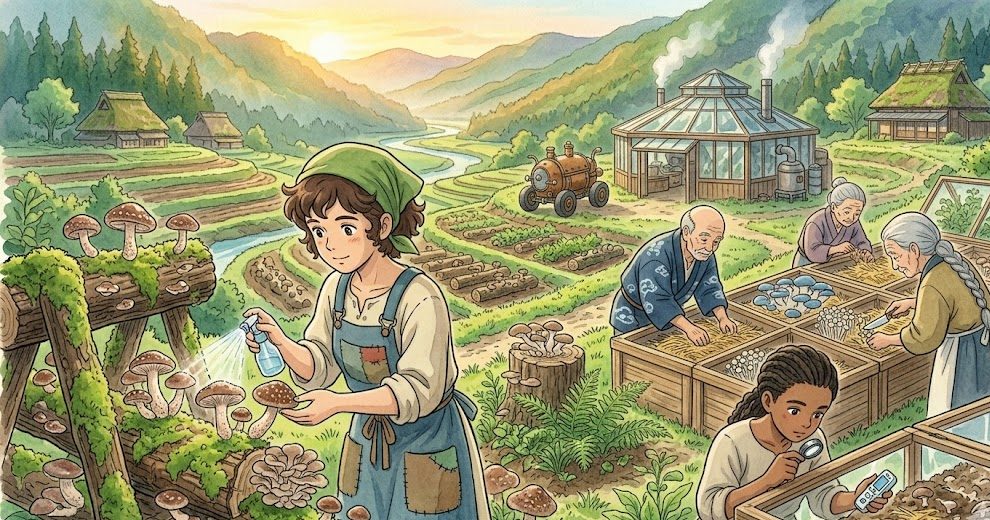
Most people look at a farm and picture tractor-filled fields stretching out toward the horizon under a blazing sun. But some of the most profitable agricultural ventures on the planet right now are happening completely indoors, in dark, climate-controlled rooms where space is measured in vertical shelves rather than open acres. Welcome to the world of mushroom cultivation.
Mushrooms are not plants; they are fungi. This means they have entirely different rules for survival, growth, and thriving. Over the last decade, market demand for gourmet mushrooms like Oyster, Shiitake, and Lion’s Mane has exploded. Consumers are looking for healthy, meat-free protein options, and high-end restaurants are willing to pay top dollar for fresh, locally grown gourmet fungi.
If you are looking to start a highly productive business or want to optimize your existing mushroom setup for better efficiency, success depends entirely on precision. Unlike traditional vegetables, where you can occasionally neglect a plant and still get a decent crop, mushrooms are highly sensitive to their environment. Let us break down the exact strategies you need to maximize your biological efficiency and secure a better profit margin this season.
Choosing Your Varieties for Market Demand
Before you buy a single pound of grain or sawdust, you must know exactly who your target customer is. Different mushrooms require completely different growing environments, preparation times, and market approaches.
For beginners and small-scale operations looking for fast cash flow, Oyster mushrooms (Pleurotus ostreatus) are almost always the ideal starting point. They grow exceptionally fast, have a high biological efficiency, and can tolerate minor mistakes in humidity and temperature better than most other varieties. They also come in vibrant colors like pink, yellow, and blue, which look incredible at local weekend markets.
If you are targeting upscale restaurants or specialty organic grocers, look into Shiitake (Lentinula edodes) or Lion’s Mane (Hericium erinaceus). Shiitakes take significantly longer to colonize their substrate, but they command a higher and much more stable price point. Lion’s Mane has gained a massive following in the health and wellness community due to its unique appearance and medicinal properties, making it an excellent specialty crop with premium margins.
The Foundation: Substrate Selection and Sterilization
Mushrooms do not grow in soil. Instead, they feed on organic waste materials known as substrate. Your choice of substrate and how cleanly you handle it will entirely dictate your total yield.
Most gourmet varieties thrive on hardwood sawdust, agricultural waste like wheat straw, or sugarcane bagasse. For wood-loving varieties like Shiitake and Lion’s Mane, a mixture of hardwood sawdust supplemented with wheat bran or rice bran provides the perfect balance of cellulose and nutrients for rapid mycelium growth.
However, nutrients do not just feed your mushrooms; they also feed wild molds and bacteria. This is why strict sterilization or pasteurization is completely non-negotiable. If you skimp on steaming your substrate blocks, a green mold called Trichoderma will likely take over your bags before your mushroom mycelium can even establish a foothold. Cleanliness in a mushroom facility is just as vital as it is in a medical clinic.
Precision Climate Control for Fruiting Success
Once your substrate is fully colonized by the white, web-like mycelium, it is time to move the blocks into the fruiting chamber. This is where the magic happens, and it is where precise climate controls determine your final harvest quality.
Mushrooms require high humidity—usually between eighty-five and ninety-five percent—to trigger pinhead formation and keep the growing caps from drying out. Investing in a high-quality ultrasonic humidifier connected to a digital humidity controller saves hours of manual spraying and keeps your growing room perfectly balanced around the clock.
Equally important is fresh air exchange. Unlike plants that breathe in carbon dioxide and release oxygen, mushrooms breathe exactly like humans: they consume oxygen and release carbon dioxide. If carbon dioxide builds up in your fruiting room, your mushrooms will grow long, stringy, unmarketable stems with tiny caps as they desperately stretch toward a fresh oxygen source. Ensure your ventilation fans completely refresh the air in your room multiple times per hour.
Practical Tips for Immediate Implementation
Optimizing an indoor farm requires focus on daily habits and setup design. Here are a few practical rules that experienced growers use to maximize production:
- Go Vertical: Do not waste floor space. Use heavy-duty wire shelving units to stack your fruiting bags five or six tiers high. This multiplies your production capacity per square foot without increasing your rent.
- Filter Your Water: If you use city tap water for your humidifiers, the built-in chlorine can stall delicate mycelium growth. Use filtered water or a simple reverse osmosis system to keep your mist pure.
- Harvest Before the Caps Unfurl: Timing your harvest perfectly keeps your mushrooms looking pristine. Pick your mushrooms just as the edges of the caps begin to flatten out. If you wait until they flip upward, they will release millions of spores, making a mess of your room and lowering the shelf life of the produce.
- Keep Impeccable Logs: Write down the exact date you inoculated every batch, the room temperature, and the final weight harvested. Tracking your data allows you to quickly identify which strain performs best under your specific conditions.
A Real-Life Example: Shifting to Gourmet Varieties
Consider the story of an indoor grower who started out utilizing a spare basement room to cultivate basic button mushrooms using traditional compost methods. He spent massive amounts of time sourcing and mixing manure-based compost, dealing with unpleasant odors, and battling persistent pest flies. He was selling his bulk harvest to local grocers but struggling to make a profit against massive industrial operations.
He decided to completely overhaul his strategy. He cleaned his space, built a small, plastic-sheathed fruiting chamber, and shifted exclusively to growing Grey Oyster and Lion’s Mane mushrooms on clean, sterilized hardwood sawdust blocks.
Instead of competing with massive grocery chains, he packaged his vibrant, pristine gourmet clusters in ventilated brown paper bags and brought them directly to high-end farm-to-table chefs in his city. Because his mushrooms were harvested fresh that morning and looked completely flawless, the chefs gladly paid three times his previous wholesale rate. He slashed his physical footprint, eliminated the foul odors, and turned his small basement into a highly lucrative micro-farm simply by targeting the right niche market.
Common Mistakes to Avoid
Even passionate growers ruin entire harvests by falling into common, easily avoidable traps.
The single biggest mistake is neglecting hygiene. Walking straight from your outdoor garden into your clean inoculation room without changing your shoes or washing your hands is a recipe for contamination. Always wear clean clothes, use rubbing alcohol generously on your tools, and work in front of a proper laminar flow hood when handling sterile cultures.
Another common mistake is over-saturating your substrate blocks. When preparing your sawdust or straw, it must be at “field capacity”—meaning when you squeeze a handful of it tightly, only a few drops of water should come out. If the substrate is completely soggy, the mycelium will drown from a lack of oxygen, leading to sour, anaerobic rot.
Step-by-Step Guide to Inoculating Your First Substrate Block
If you are ready to prepare your first batch of gourmet mushroom blocks, follow this clear, structured guide to ensure a clean and highly successful run:
- Hydrate the Substrate: Mix your hardwood sawdust with wheat bran and water until it reaches sixty percent moisture content (field capacity). Ensure the water is distributed perfectly evenly.
- Bag and Steaming: Pack the mixture tightly into specialized autoclavable grow bags with built-in breath filter patches. Steam the bags at atmospheric pressure for a full twelve to twenty-four hours to completely eliminate hidden mold spores.
- Cooldown Period: Allow your steamed bags to cool down completely to room temperature inside a clean room. If you add spawn to a bag that is still warm, the residual heat will quickly kill the live mycelium.
- Inoculation: Wipe down your hands and working table with isopropyl alcohol. Add your grain spawn to the cooled substrate bag and seal the top immediately using a impulse sealer or a secure tie.
- Incubation: Move the sealed bags to a dark, warm closet kept around twenty-two degrees Celsius. Leave them undisturbed for two to three weeks until the entire block turns completely white with healthy mycelium.
Conclusion
Mushroom farming is a fascinating, highly rewarding intersection of biology and smart business management. It offers a unique opportunity to turn cheap agricultural waste products like sawdust and straw into a highly prized, nutritious culinary delicacy.
While the learning curve can feel steep due to the strict cleanliness and climate controls required, the ability to grow massive amounts of food vertically and year-round makes it one of the most sustainable and profitable agricultural ventures available today. Start with a reliable strain, master your sterilization habits, and look for direct relationships with local buyers. With patience and precision, your indoor grow room will yield a consistent, profitable harvest season after season.
Frequently Asked Questions (FAQs)
Q: Can I grow mushrooms without a laminar flow hood? A: Yes, for absolute beginners, you can use a simple, clean plastic tote turned upside down with armholes cut out, known as a Still Air Box (SAB). It works remarkably well for small-scale inoculations as long as your room is completely free of drafts. However, as you scale up to a profitable business size, a laminar flow hood is an essential investment to keep contamination rates low.
Q: How long do fresh gourmet mushrooms last after harvest? A: Fresh gourmet mushrooms like Oyster and Lion’s Mane have a relatively short shelf life, typically lasting between five to seven days when stored properly in paper bags inside a commercial refrigerator. Because they spoil faster than button mushrooms, selling directly to local restaurants and consumers right after harvest gives you a massive advantage over distant, large-scale distributors.
Q: What causes green mold to grow all over my mushroom bags? A: Green mold is almost always Trichoderma. Its presence means either your initial substrate steaming process was too short, your grain spawn was already contaminated, or you introduced dirty ambient air into the bag during the inoculation process. Double-check your sterilization times and tighten your clean-room protocols.
Q: Can I use cedar or pine sawdust as a substrate? A: No, you must avoid softwoods like pine, cedar, and redwood. Softwoods contain natural aromatic resins and anti-fungal compounds that actively stop mushroom mycelium from growing. Always stick to clean, untreated hardwoods like oak, maple, birch, or beech sawdust for the best results.
Q: How much light do mushrooms need to grow inside a room? A: Mushrooms do not use light for energy because they do not photosynthesize. However, they do need a small amount of ambient light to guide their growth direction and signal the caps to form properly. A simple low-wattage LED shop light set on a basic twelve-hour timer is more than enough for a thriving indoor fruiting room.