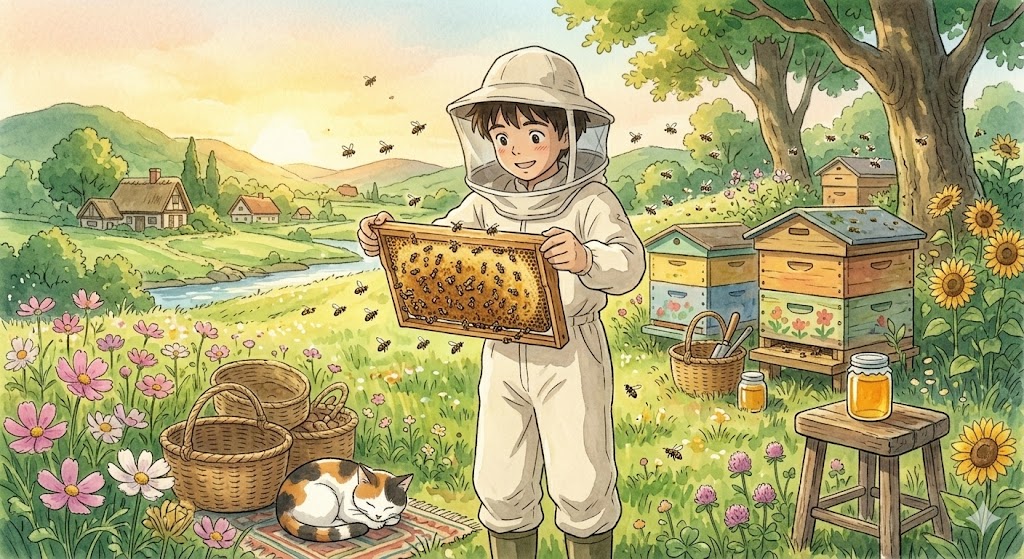
Did you know that one out of every three bites of food you eat is a direct result of honeybee pollination? Beyond their critical role in our global food supply, these remarkable insects are the engines behind a multi-billion dollar industry that ranges from raw honey production to pharmaceutical-grade beeswax and pollination services. Yet, despite the high demand for local, sustainable apiary products, many aspiring entrepreneurs hesitate.
The challenge lies in the perceived complexity of “managing” thousands of stinging insects and the fear of a steep learning curve. People often worry about colony collapse, high startup costs, or simply not knowing where to place a hive. This “barrier to entry” often prevents passionate individuals from turning a backyard hobby into a profitable venture. Professional Beekeeping serves as the ultimate solution—a business model that balances ecological stewardship with diverse revenue streams.
This guide provides a comprehensive roadmap for the budding apiarist. You will learn the biological fundamentals, the essential gear required, and a step-by-step strategy to transition from your first hive to a legitimate commercial enterprise.
Understanding Beekeeping: Key Concepts and Importance
At its core, beekeeping—or apiculture—is the practice of managing honeybee colonies to harvest products and provide pollination services. While humans have been “honey hunting” for millennia, modern beekeeping was revolutionized in the 19th century with the invention of the movable-frame hive. This allowed beekeepers to inspect bees and harvest honey without destroying the colony, turning a destructive practice into a sustainable partnership.
To understand the technical side of a hive, think of a bee colony as a single, highly efficient “superorganism.” Individual bees are like cells in a body; they cannot survive alone, but together they perform complex tasks like temperature regulation and collective decision-making. The beekeeper acts as a “Health Consultant” for this organism. Instead of “farming” the bees in the traditional sense, you provide the optimal housing, monitor for “illnesses” (pests like Varroa mites), and ensure they have enough “fuel” (nectar and pollen) to thrive.
In the modern context, beekeeping has moved beyond the rural farm. We are seeing a massive surge in urban beekeeping, where hives on city rooftops produce unique, floral-specific honeys that fetch premium prices. Understanding the seasonal cycle of the bees—the buildup in spring, the “honey flow” in summer, and the clustering in winter—is the fundamental knowledge upon which your business will be built.
Why It Matters: The Top Benefits of Starting an Apiary
Starting a beekeeping business offers a unique blend of financial gain and environmental impact that few other startups can match.
- Diversified Revenue Streams: Unlike many businesses, an apiary doesn’t just sell one product. You can generate income from raw honey, beeswax candles, propolis tinctures, royal jelly, and pollen. Additionally, you can rent your hives to local farmers for pollination services.
- Low Overhead and Scalability: You don’t need a brick-and-mortar storefront to start. You can begin with two hives in a small backyard and scale up as your knowledge grows. The bees do the majority of the “manufacturing” for free.
- Positive Environmental Footprint: Every hive you manage supports the local ecosystem. Your bees will pollinate gardens and wild flora within a 3-mile radius, increasing local biodiversity and crop yields for your neighbors.
- High Demand for “Local”: Consumers are increasingly wary of mass-produced, adulterated honey found in supermarkets. There is a significant market premium for unfiltered, local honey that retains its natural enzymes and pollen.
Pro Fact: A single honeybee colony can produce anywhere from 30 to 100 pounds of surplus honey in a good season, depending on the forage available and the strength of the hive.
How to Get Started: A Practical Guide for Beginners
Transitioning from an enthusiast to a business owner requires a structured approach. Follow this 5-step plan to launch your apiary.
Step 1: Education and Legal Compliance
Before buying bees, join a local Beekeepers Association. Shadow an experienced mentor to get comfortable around open hives. Simultaneously, check your local zoning laws. Some areas require a minimum distance between hives and property lines or a permit for commercial honey sales.
Step 2: Acquire the “Essential Kit”
You don’t need the most expensive gadgets, but you do need quality basics:
- Protective Gear: A full bee suit, veiled hat, and goatskin gloves.
- The Hive: Most beginners start with the Langstroth Hive, which is the industry standard for ease of honey extraction.
- Tools: A smoker (to calm the bees) and a hive tool (a specialized pry bar).
Step 3: Sourcing Your Bees
Order your bees in early winter for spring delivery. You can buy a “nuc” (nucleus colony), which is essentially a mini-colony with a queen and established frames, or a “package” of bees. Nucs are generally recommended for beginners as they have a head start on production.
Step 4: Site Selection and Hive Management
Place your hives in a spot with early morning sun (to get the bees flying early) and a windbreak. Ensure there is a constant water source nearby so the bees don’t end up in your neighbor’s swimming pool. Conduct hive inspections every 7-10 days during the spring to check for the queen’s health and prevent swarming.
Step 5: Branding and Harvesting
Once your bees have filled their “honey supers,” use a centrifugal extractor to harvest the honey. To turn this into a business, focus on branding. Use glass jars, clear labeling that tells the story of your local forage, and leverage social media to show the “behind-the-scenes” of your sustainable farm.
Beginner’s Tip: Always start with at least two hives. If one colony struggles or loses its queen, you can take frames of brood or honey from the stronger hive to save the weaker one. It provides a vital safety net for your investment.
Overcoming Challenges and Looking into the Future
The primary hurdle for modern beekeepers is the Varroa Mite, a parasite that weakens bees and spreads viruses. Professional beekeepers solve this through “Integrated Pest Management” (IPM), using a combination of screened bottom boards, mite-resistant bee stocks, and organic treatments when necessary. Another challenge is Pesticide Exposure; building relationships with local farmers and gardeners is key to ensuring your bees aren’t forageing in areas being sprayed with harmful chemicals.
Looking into the future, “Smart Hives” are becoming a major trend. These utilize sensors to monitor internal hive temperature, humidity, and even the “sound” of the bees to alert the beekeeper of potential issues via a smartphone app. Furthermore, as the world moves toward “regenerative agriculture,” beekeepers are playing a larger role in land management, with businesses being paid not just for honey, but for the ecological “service” they provide to the planet.
Conclusion
Starting a beekeeping business is one of the most rewarding ways to achieve financial independence while actively healing the environment. It requires a blend of patience, biological understanding, and a keen eye for branding, but the “sweet” rewards are well worth the effort. By following a structured path—starting small, prioritizing hive health, and connecting with your local community—you can build a resilient venture that stands the test of time.
Your Next Step: Research the nearest beekeeping association in your county and sign up for their next “Introduction to Beekeeping” workshop. It is the single best investment you can make before your first hive arrives.
The world needs more bees, and more people brave enough to care for them; why shouldn’t the next successful apiarist be you?
Frequently Asked Questions (FAQs)
1. How much space do I need to start a beekeeping business? Surprisingly little. You can fit two hives in a standard backyard. Bees forage up to 3 miles away, so you don’t need to own the land they gather nectar from—you just need a safe “home base” for them.
2. Is beekeeping expensive to start? A single complete hive setup, including the bees and protective gear, typically costs between $500 and $800. However, many of these costs are one-time investments in equipment that will last for decades.
3. How much time does hive maintenance take? During the busy spring and summer months, expect to spend about 30 to 60 minutes per hive, per week. In the winter, the bees are largely self-sufficient, requiring only occasional check-ins to ensure they have enough food stores.
4. What if I am afraid of being stung? It is a natural fear, but with modern protective gear and a calm demeanor, stings are rare. Honeybees are generally docile and only sting in defense of their hive. Over time, most beekeepers develop a “bee sense” that helps them read the colony’s mood.