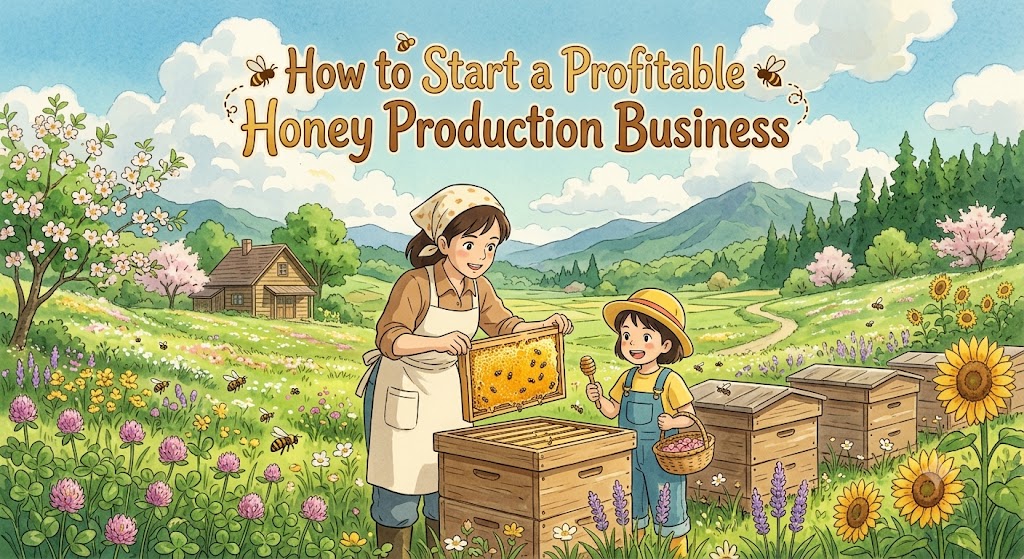
Walk into any supermarket, health food store, or farmers’ market, and you’ll notice something interesting—honey is no longer viewed as just another sweetener. Consumers now look for raw honey, organic honey, wildflower honey, infused honey, and even premium gift packs. This shift has transformed honey from a simple farm product into a high-value agricultural business.
For aspiring entrepreneurs and farmers, this creates an exciting opportunity. A honey production business requires far less land than many traditional farming ventures, yet it offers multiple revenue streams beyond selling honey alone. With the right planning, quality control, and marketing strategy, even a small apiary can grow into a profitable enterprise.
Success, however, depends on treating beekeeping as a business rather than simply harvesting honey. Understanding customer demand, maintaining healthy bee colonies, and building a trusted brand are the keys to long-term profitability.
The Business Begins Before the First Hive
Many beginners purchase beehives before researching the market. Professional honey producers do the opposite.
Before investing, answer a few important questions:
- Who will buy your honey?
- Is there demand for raw or processed honey?
- Which competitors already serve your area?
- Can you supply customers consistently?
- What price are premium honey products selling for?
These answers shape every business decision that follows.
Decide What Kind of Honey Business You Want
Not every honey business operates the same way.
Some producers focus only on bulk honey, while others build premium consumer brands.
Popular business models include:
| Business Type | Target Customers |
|---|---|
| Raw Honey Sales | Local consumers |
| Organic Honey | Health-conscious buyers |
| Premium Gift Packs | Retail stores |
| Wholesale Honey | Food manufacturers |
| Online Honey Store | National customers |
| Farmers’ Markets | Direct retail sales |
Choosing a clear business direction helps you plan production and marketing more effectively.
Start With Healthy Bee Colonies
Your bees are the foundation of the business.
Strong colonies collect more nectar, produce healthier honey, and recover faster after harvesting.
When purchasing bees, choose colonies that have:
- An active queen
- Strong brood development
- Healthy worker populations
- Calm behavior
- No visible signs of disease
Buying healthy colonies from trusted breeders saves both time and money.
Select a Productive Apiary Location
A successful honey business depends heavily on where the bees are located.
An ideal location offers:
- Abundant flowering plants
- Clean water
- Low pesticide exposure
- Good sunlight
- Protection from strong winds
- Limited disturbance
The richer the surrounding vegetation, the greater the honey production potential.
Focus on Colony Health Before Honey Quantity
Many new beekeepers make the mistake of harvesting too much honey.
Experienced producers understand that healthy colonies generate higher profits over time.
Healthy colonies require:
- Adequate food reserves
- Regular inspections
- Pest monitoring
- Disease prevention
- Proper ventilation
- Clean hive equipment
Protecting the colony is protecting the business.
Think Beyond Selling Honey
One hive produces much more than honey.
Successful businesses often generate income from several bee products.
Examples include:
- Raw honey
- Beeswax
- Bee pollen
- Royal jelly
- Propolis
- Honeycomb
- Pollination services
Diversifying products creates additional income while reducing dependence on a single market.
Packaging Creates the First Impression
Customers usually judge a product before tasting it.
Professional packaging helps build trust and increases perceived value.
Good packaging should include:
- Clean glass or food-grade containers
- Secure lids
- Attractive labels
- Product weight
- Harvest information
- Storage instructions
Premium presentation often justifies premium pricing.
Build a Brand, Not Just a Product
Thousands of people sell honey.
Far fewer build recognizable brands.
Your brand should communicate:
- Quality
- Purity
- Natural production
- Consistency
- Trust
A memorable brand encourages repeat customers and word-of-mouth recommendations.
Choose the Right Sales Channels
Selling only through one outlet limits growth.
Many successful honey businesses combine several marketing channels.
These include:
- Farmers’ markets
- Grocery stores
- Organic food shops
- Restaurants
- Hotels
- Online marketplaces
- Social media stores
- Direct farm sales
Multiple sales channels help maintain steady revenue throughout the year.
Understand Your Operating Costs
Every profitable business knows its numbers.
Track expenses such as:
| Expense | Examples |
|---|---|
| Beehives | Boxes, frames |
| Protective equipment | Suit, gloves, smoker |
| Bee colonies | Queen and worker bees |
| Packaging | Bottles, labels, boxes |
| Transportation | Delivery expenses |
| Marketing | Advertising and branding |
Understanding costs allows you to price products correctly.
Build Customer Trust Through Quality
One satisfied customer often becomes a repeat buyer.
Maintain quality by:
- Harvesting mature honey
- Avoiding contamination
- Using clean equipment
- Storing honey correctly
- Maintaining consistent flavor and quality
Honest labeling and reliable quality help build long-term customer loyalty.
Grow the Business Step by Step
Many successful honey producers began with only a few hives.
Expansion becomes easier after building experience.
Future growth may include:
- Increasing hive numbers
- Producing specialty honey
- Organic certification
- Export opportunities
- Educational workshops
- Pollination contracts
Steady growth is usually more sustainable than rapid expansion.
Common Mistakes That Reduce Profits
Many new honey businesses struggle because of avoidable mistakes.
Watch out for:
- Buying weak bee colonies
- Poor hive management
- Harvesting too early
- Ignoring bee diseases
- Low-quality packaging
- Selling without market research
- Depending on only one customer
Learning from these mistakes saves money and improves long-term success.
Future Opportunities in Honey Production
The honey industry continues to evolve as consumers seek healthier and more natural products.
Growing trends include:
- Organic honey
- Monofloral honey
- Flavored honey
- Eco-friendly packaging
- Online direct-to-consumer sales
- Sustainable beekeeping
- Premium artisanal honey brands
Businesses that adapt to changing consumer preferences are likely to remain competitive.
Final Thoughts
Starting a profitable honey production business requires much more than placing beehives in a field. It demands careful planning, healthy bee colonies, consistent product quality, effective branding, and smart marketing. Farmers and entrepreneurs who understand both beekeeping and business management are better positioned to build a reliable source of long-term income.
By focusing on customer trust, maintaining healthy colonies, diversifying bee products, and gradually expanding operations, even a small honey business can grow into a successful agricultural enterprise. With increasing global demand for natural and sustainably produced honey, now is an excellent time to enter this rewarding industry.
Frequently Asked Questions
1. Is a honey production business profitable?
Yes. A well-managed honey production business can generate income from honey, beeswax, pollen, propolis, royal jelly, and pollination services.
2. How many beehives should a beginner start with?
Most experienced beekeepers recommend starting with two to five hives to gain practical experience before expanding.
3. What is the biggest challenge in honey production?
Maintaining healthy bee colonies, protecting them from pests and diseases, and ensuring consistent product quality are the biggest challenges.
4. Where can honey be sold?
Honey can be sold through supermarkets, health food stores, farmers’ markets, online shops, restaurants, hotels, and direct-to-consumer channels.
5. Can a small honey business grow into a full-time enterprise?
Absolutely. Many successful commercial beekeeping businesses started with only a few hives and expanded gradually through quality products, strong branding, and reliable customer relationships.