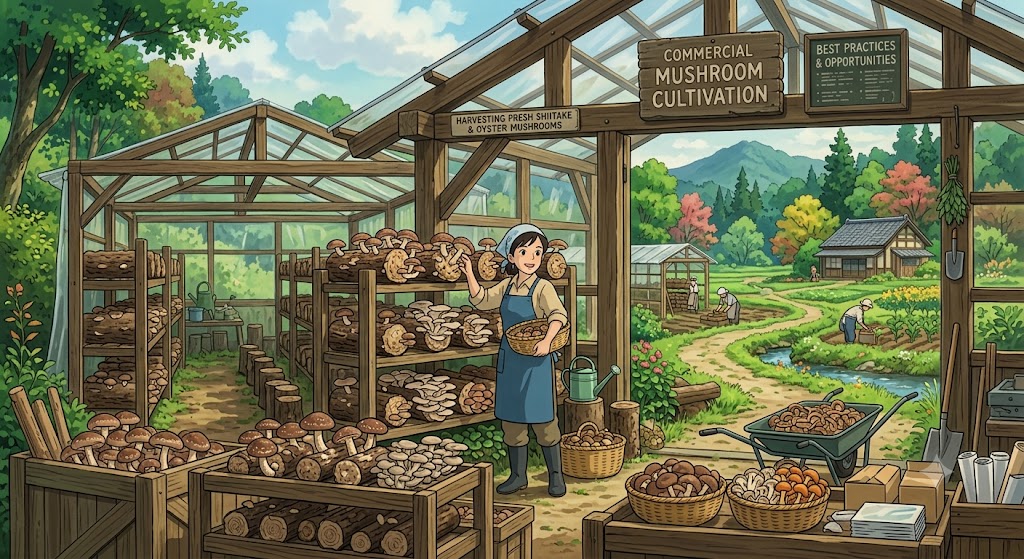
Mushroom cultivation has become one of the most promising agricultural enterprises for farmers and entrepreneurs seeking high-value production opportunities. Unlike many traditional crops that require large areas of land, mushrooms can be grown in relatively small spaces while generating attractive returns. Growing consumer demand for nutritious foods, specialty ingredients, and sustainable agricultural products has further increased the popularity of commercial mushroom farming worldwide.
With proper planning, suitable infrastructure, and effective management practices, mushroom cultivation can become a profitable and sustainable agribusiness. However, success depends on understanding the biological requirements of mushrooms and implementing best practices throughout the production cycle.
This guide explores the opportunities available in commercial mushroom farming and the key practices that support long-term success.
Why Mushroom Farming Is Gaining Popularity
Several factors have contributed to the rapid growth of the mushroom industry.
These include:
- Rising consumer demand
- Growing interest in healthy foods
- Expanding restaurant markets
- Increased awareness of plant-based diets
- Efficient use of space
- Relatively short production cycles
Mushrooms are rich in:
- Protein
- Fiber
- Vitamins
- Minerals
- Antioxidants
Their nutritional value and culinary versatility make them popular among consumers around the world.
Business Opportunities in Mushroom Cultivation
Commercial mushroom farming offers a wide range of business opportunities.
Potential markets include:
- Fresh produce retailers
- Supermarkets
- Restaurants
- Hotels
- Food processing companies
- Farmers markets
- Export markets
Some growers also produce:
- Dried mushrooms
- Mushroom powders
- Value-added food products
- Medicinal mushroom products
Diversified product offerings can increase profitability and expand market reach.
Advantages of Commercial Mushroom Farming
Mushroom cultivation offers several unique benefits compared to many conventional crops.
Minimal Land Requirements
Mushrooms can be grown indoors using vertical production systems, maximizing output from limited space.
Rapid Production Cycles
Many mushroom species can be harvested within a few weeks of planting.
High Market Value
Certain mushroom varieties command premium prices due to strong demand and limited supply.
Resource Efficiency
Mushrooms can often be grown using agricultural by-products that might otherwise be discarded.
Year-Round Production
Controlled environments allow continuous production regardless of outdoor weather conditions.
These advantages make mushroom cultivation attractive for both small-scale and commercial operations.
Selecting the Right Mushroom Species
Choosing the appropriate species is one of the most important decisions for commercial success.
Popular commercial varieties include:
Button Mushrooms
Among the most widely consumed mushrooms globally.
Oyster Mushrooms
Known for:
- Fast growth
- Easy cultivation
- Strong market demand
Shiitake Mushrooms
Highly valued for their flavor and nutritional properties.
Lion’s Mane Mushrooms
Popular in specialty and health-focused markets.
Enoki Mushrooms
Commonly used in Asian cuisine and premium food markets.
Growers should select species based on market demand, climate conditions, and production capabilities.
Understanding Mushroom Growing Requirements
Unlike green plants, mushrooms do not require sunlight for growth.
Instead, successful cultivation depends on controlling factors such as:
- Temperature
- Humidity
- Air circulation
- Carbon dioxide levels
- Sanitation
Each mushroom species has specific environmental requirements that must be maintained throughout production.
Proper environmental control is essential for achieving consistent yields.
Preparing Quality Growing Substrates
Mushrooms grow on organic materials known as substrates.
Common substrates include:
- Straw
- Sawdust
- Agricultural residues
- Compost
- Wood chips
The substrate provides nutrients and support for mushroom growth.
Proper preparation often involves:
- Moisture adjustment
- Pasteurization
- Sterilization
- Nutrient balancing
High-quality substrates contribute significantly to production success.
Importance of Spawn Quality
Spawn serves as the planting material for mushroom production.
Healthy spawn should be:
- Free from contamination
- Vigorous and active
- Purchased from reputable suppliers
Using quality spawn improves colonization rates, yields, and overall production performance.
Poor-quality spawn can significantly reduce profitability.
Maintaining Proper Environmental Conditions
Environmental control is one of the most critical aspects of mushroom farming.
Temperature Management
Different species require specific temperature ranges during:
- Spawn running
- Fruiting
- Harvesting
Humidity Control
Most mushrooms require relatively high humidity levels for proper development.
Ventilation
Adequate airflow helps:
- Regulate carbon dioxide levels
- Reduce disease risks
- Improve mushroom quality
Monitoring environmental conditions regularly helps maintain optimal production performance.
Disease and Contamination Prevention
Contamination is one of the biggest challenges in mushroom cultivation.
Common contaminants include:
- Molds
- Bacteria
- Competing fungi
Preventive measures include:
- Strict sanitation
- Clean production areas
- Proper substrate preparation
- Quality spawn usage
- Controlled access to growing rooms
Preventing contamination is often more effective than attempting to correct problems later.
Efficient Water Management
Water plays an important role in mushroom development.
Proper moisture management helps:
- Support mycelial growth
- Encourage fruiting
- Maintain product quality
Overwatering can increase contamination risks, while insufficient moisture can reduce yields.
Balanced water management is essential throughout the production cycle.
Harvesting Techniques
Harvest timing directly affects product quality and market value.
Mushrooms should be harvested:
- At the correct maturity stage
- Carefully to avoid damage
- Using clean equipment
Proper harvesting practices help maintain freshness and maximize shelf life.
Consistent quality improves customer satisfaction and repeat business.
Post-Harvest Handling
Fresh mushrooms are highly perishable and require careful handling.
Best practices include:
- Rapid cooling
- Gentle packaging
- Temperature-controlled storage
- Prompt transportation
Maintaining product quality after harvest is essential for successful marketing.
Poor post-harvest handling can result in significant financial losses.
Marketing Strategies for Mushroom Growers
Successful marketing is just as important as successful production.
Effective marketing channels include:
Direct Sales
Selling directly to consumers through:
- Farmers markets
- Community-supported agriculture programs
- Online sales
Wholesale Markets
Supplying retailers, distributors, and food service businesses.
Specialty Markets
Targeting health-conscious consumers and gourmet food sectors.
Developing strong customer relationships can improve long-term business stability.
Value-Added Mushroom Products
Many growers increase profitability by processing mushrooms into value-added products.
Examples include:
- Dried mushrooms
- Mushroom seasonings
- Mushroom powders
- Ready-to-cook products
- Nutritional supplements
Value-added processing can expand market opportunities and reduce product losses.
Financial Considerations
Commercial mushroom cultivation requires careful financial planning.
Important considerations include:
- Facility costs
- Equipment investment
- Spawn purchases
- Labor expenses
- Utility costs
- Packaging materials
Accurate budgeting helps farmers evaluate profitability and growth opportunities.
Sustainability Benefits of Mushroom Farming
Mushroom cultivation supports sustainable agriculture in several ways.
Benefits include:
- Efficient land use
- Recycling agricultural residues
- Low water requirements
- Reduced environmental impact
- Year-round food production
These characteristics make mushrooms an environmentally responsible crop option.
Building a Successful Mushroom Farming Enterprise
Successful growers often focus on:
- Market research
- Species selection
- Quality substrate preparation
- Environmental control
- Contamination prevention
- Efficient harvesting
- Strong marketing strategies
Consistent attention to these factors improves productivity and profitability.
Future Trends in Commercial Mushroom Production
Emerging trends include:
- Automated growing systems
- Climate-controlled facilities
- Organic mushroom production
- Functional mushroom products
- Expanded export opportunities
As consumer demand continues to grow, commercial mushroom farming is expected to remain a valuable agricultural enterprise.
Conclusion
Commercial mushroom cultivation offers excellent opportunities for farmers and entrepreneurs seeking profitable, space-efficient, and sustainable agricultural ventures. With growing consumer demand, relatively short production cycles, and diverse market opportunities, mushrooms have become an increasingly attractive crop for commercial production.
By selecting suitable species, maintaining strict environmental controls, preventing contamination, and implementing effective marketing strategies, growers can build successful mushroom farming operations that generate reliable income and long-term business growth. As the industry continues to expand, commercial mushroom cultivation is likely to play an even greater role in modern agriculture and food production.