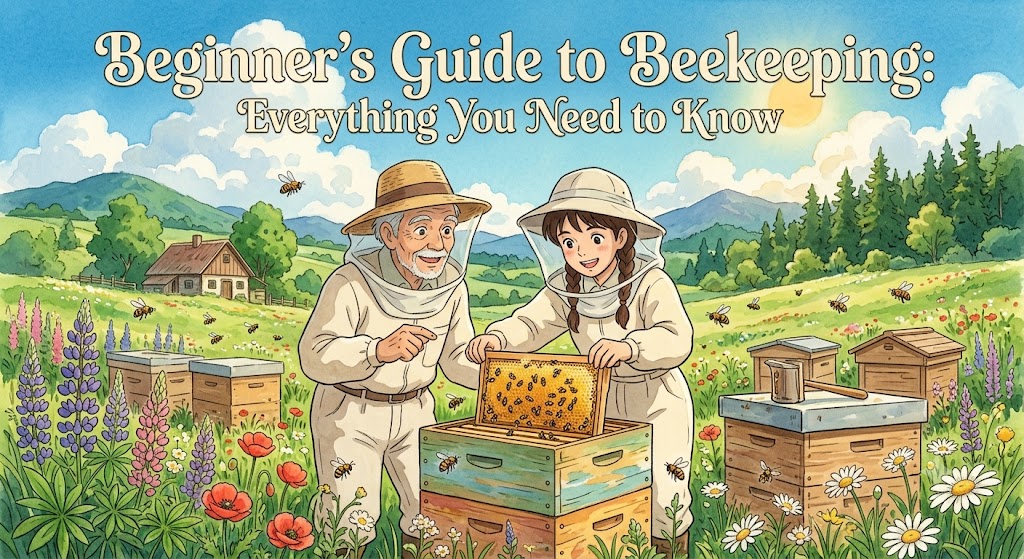
Beekeeping is one of the oldest and most rewarding agricultural activities in the world. While many people associate bees only with honey, these remarkable insects contribute much more than a sweet natural product. They play a vital role in pollinating crops, supporting biodiversity, and improving agricultural productivity. For farmers, gardeners, and rural entrepreneurs, beekeeping offers an opportunity to generate additional income while helping the environment.
In recent years, interest in beekeeping has grown rapidly as consumers seek natural honey, beeswax products, and other bee-related goods. At the same time, awareness of the importance of pollinators has encouraged more people to start keeping bees, even on small farms and in rural communities.
Although beekeeping may seem challenging at first, beginners can build a successful apiary by learning the basics, choosing the right equipment, and caring for healthy bee colonies. This guide covers everything you need to know before starting your beekeeping journey.
Why Beekeeping Is Worth Considering
Unlike many agricultural businesses that require large areas of land, beekeeping can be started on a relatively small scale. A few healthy colonies can produce valuable products while also improving pollination for nearby crops and fruit trees.
Some of the main benefits include:
- Multiple income opportunities
- Low land requirement
- Natural honey production
- Improved crop pollination
- Environmental conservation
- High market demand for bee products
As experience grows, beekeeping can expand into a profitable commercial business.
Understanding How a Bee Colony Works
Before purchasing your first hive, it is important to understand the structure of a honey bee colony.
Each colony consists of three types of bees.
The Queen Bee
The queen is the only fertile female in the colony. Her primary responsibility is laying eggs and maintaining the strength of the hive.
A healthy queen can lay thousands of eggs during the active season.
Worker Bees
Worker bees are female bees that perform nearly every task inside and outside the hive.
Their responsibilities include:
- Collecting nectar
- Gathering pollen
- Producing honey
- Cleaning the hive
- Feeding young bees
- Protecting the colony
Worker bees are the driving force behind a healthy hive.
Drone Bees
Drones are male bees whose main role is to mate with a queen from another colony.
They do not collect nectar or produce honey.
Choosing the Right Location
The location of your apiary plays a major role in colony health and honey production.
A suitable site should provide:
- Plenty of flowering plants
- Access to clean water
- Good sunlight
- Protection from strong winds
- Minimal disturbance from people and animals
Avoid placing hives in areas exposed to excessive noise or heavy pesticide use.
Essential Equipment for Beginners
Starting beekeeping requires a few basic tools to manage colonies safely and effectively.
Common equipment includes:
- Beehive boxes
- Hive frames
- Protective suit
- Bee veil
- Gloves
- Hive tool
- Smoker
- Bee brush
- Honey extractor (for harvesting)
Purchasing quality equipment helps simplify hive management.
Selecting Healthy Bee Colonies
Healthy bees are the foundation of a successful apiary.
When purchasing bees, choose colonies that show:
✔ Active worker bees
✔ Healthy brood patterns
✔ Gentle behavior
✔ Disease-free appearance
✔ A productive queen
Buying from trusted beekeepers reduces the risk of introducing diseases into your apiary.
Understanding Seasonal Bee Behavior
Bee colonies change throughout the year.
Spring is usually the period of rapid colony growth.
Summer is the main honey production season.
Autumn allows bees to prepare food reserves.
Winter is a quieter period when colonies conserve energy.
Understanding these seasonal changes helps beginners manage their hives more effectively.
Feeding Bees When Necessary
Healthy colonies collect most of their own food from flowers.
However, supplemental feeding may sometimes be necessary during periods of limited nectar availability.
Common supplementary feeds include:
- Sugar syrup
- Protein supplements
- Pollen substitutes
Feeding should only support colonies when natural food sources are insufficient.
Hive Inspections Build Strong Colonies
Regular inspections help identify problems before they become serious.
During inspections, check for:
- Queen activity
- Egg production
- Honey stores
- Brood health
- Pest presence
- Hive cleanliness
Frequent but gentle inspections keep colonies healthy without causing unnecessary disturbance.
Protecting Bees From Common Threats
Healthy colonies still face several natural challenges.
Some common risks include:
- Varroa mites
- Wax moths
- Small hive beetles
- Ants
- Harsh weather
- Poor nutrition
Early detection and proper hive management help reduce these risks.
Harvesting Honey Responsibly
Honey should only be harvested after bees have stored enough food for themselves.
Responsible harvesting includes:
- Removing only fully capped honey frames
- Using clean equipment
- Avoiding contamination
- Leaving adequate honey for the colony
Healthy bees should always remain the top priority.
More Than Just Honey
Many beginners are surprised to learn that beekeeping generates several valuable products.
These include:
| Bee Product | Common Uses |
|---|---|
| Honey | Food and beverages |
| Beeswax | Candles and cosmetics |
| Propolis | Health products |
| Royal Jelly | Nutritional supplements |
| Bee Pollen | Wellness products |
| Pollination Services | Crop production |
Diversifying products can significantly increase farm income.
Common Beginner Mistakes
Learning from the experiences of other beekeepers helps avoid unnecessary problems.
Common mistakes include:
- Opening hives too often
- Ignoring colony health
- Harvesting honey too early
- Choosing poor hive locations
- Neglecting pest monitoring
- Buying weak colonies
Patience and observation are essential for long-term success.
Growing Your Beekeeping Business
Once your first colonies become healthy and productive, you can gradually expand.
Future opportunities include:
- Selling raw honey
- Producing flavored honey
- Marketing beeswax candles
- Offering pollination services
- Selling nucleus colonies
- Producing educational content
Many successful commercial beekeepers started with only a few hives.
Why Beekeeping Supports Sustainable Agriculture
Bees are among the world’s most important pollinators.
Their work improves the production of many fruits, vegetables, oilseed crops, and flowering plants.
By maintaining healthy bee populations, farmers help:
- Increase crop yields
- Improve biodiversity
- Support healthy ecosystems
- Strengthen food security
Beekeeping benefits both agriculture and the environment.
Final Thoughts
Beekeeping is far more than producing honey—it is a rewarding agricultural activity that supports crop pollination, environmental conservation, and rural livelihoods. With proper knowledge, healthy bee colonies, suitable equipment, and regular hive management, beginners can develop a successful apiary that provides both personal satisfaction and long-term income.
Like any agricultural enterprise, success requires patience, continuous learning, and respect for the natural behavior of bees. Starting with a few colonies, gaining practical experience, and expanding gradually is often the best path toward building a profitable and sustainable beekeeping business.
Frequently Asked Questions
1. Is beekeeping suitable for beginners?
Yes. With proper training, quality equipment, and healthy bee colonies, beginners can successfully start beekeeping on a small scale.
2. How many hives should a beginner start with?
Many experienced beekeepers recommend starting with two to five hives, allowing beginners to compare colony development and gain practical experience.
3. Do bees need to be fed regularly?
Healthy colonies usually collect their own food, but supplemental feeding may be necessary during periods of limited natural nectar.
4. How often should a beehive be inspected?
Regular inspections every one to two weeks during the active season help monitor colony health while minimizing unnecessary disturbance.
5. Can beekeeping generate additional farm income?
Yes. Farmers can earn income from honey, beeswax, propolis, royal jelly, pollen, and pollination services while also improving crop productivity through better pollination.