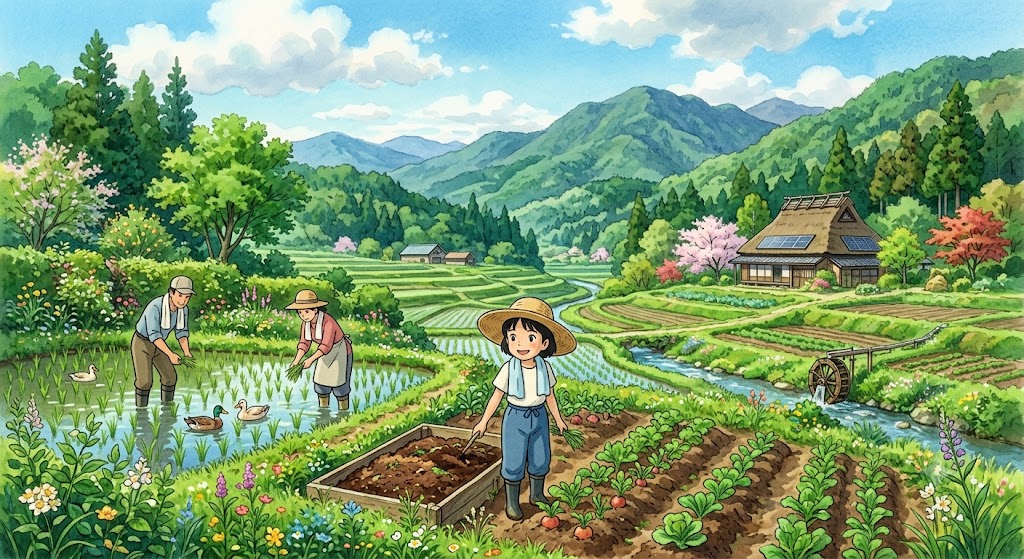
Agriculture plays a crucial role in feeding the world’s growing population, but it also has a significant impact on natural resources and ecosystems. As concerns about climate change, biodiversity loss, water scarcity, and soil degradation continue to increase, farmers are under growing pressure to adopt practices that protect the environment while maintaining productivity and profitability.
Environmental conservation and successful farming are not opposing goals. In fact, many sustainable farming practices help improve soil health, conserve water, reduce production costs, and enhance long-term farm resilience. By managing natural resources responsibly, farmers can protect the environment while building stronger and more productive agricultural systems.
This guide explores farming practices that support environmental conservation and contribute to a more sustainable future for agriculture.
Why Environmental Conservation Matters in Agriculture
Agriculture depends heavily on healthy natural resources.
Farmers rely on:
- Fertile soil
- Clean water
- Stable climates
- Biodiversity
- Healthy ecosystems
When these resources are degraded, agricultural productivity often declines.
Environmental conservation helps preserve the natural systems that support food production while protecting future farming opportunities.
Sustainable resource management benefits both farmers and society as a whole.
Protecting Soil Health
Healthy soil is one of the most valuable agricultural resources.
Soil supports:
- Plant growth
- Water retention
- Nutrient cycling
- Biological activity
Conservation-focused soil practices include:
- Compost application
- Cover cropping
- Crop rotation
- Reduced tillage
- Organic matter management
Healthy soils are more productive, resilient, and environmentally sustainable.
Improving soil health often reduces dependence on external inputs.
Using Cover Crops
Cover crops are planted primarily to protect and improve soil rather than for direct harvest.
Popular cover crops include:
- Clover
- Rye
- Oats
- Vetch
Environmental benefits include:
- Reduced erosion
- Improved soil structure
- Enhanced nutrient retention
- Increased organic matter
Cover crops help maintain soil productivity while protecting natural resources.
Practicing Crop Rotation
Crop rotation involves growing different crops in sequence on the same land.
Benefits include:
- Improved soil fertility
- Reduced pest populations
- Lower disease pressure
- Better nutrient utilization
Diversified rotations reduce the need for excessive chemical inputs and support healthier agricultural ecosystems.
Crop rotation remains one of the most effective conservation practices available.
Reducing Soil Erosion
Soil erosion can remove valuable topsoil and nutrients.
Common causes include:
- Wind
- Heavy rainfall
- Poor land management
Conservation measures include:
- Contour farming
- Cover crops
- Windbreaks
- Mulching
- Conservation tillage
Protecting topsoil helps maintain long-term agricultural productivity.
Preventing erosion is often easier and less expensive than restoring damaged land.
Conservation Tillage Practices
Traditional tillage can disturb soil structure and increase erosion risks.
Conservation tillage reduces soil disturbance while maintaining crop production.
Benefits include:
- Improved moisture retention
- Reduced fuel consumption
- Enhanced biological activity
- Lower erosion rates
Many farmers find that conservation tillage improves both sustainability and profitability.
Healthy soil ecosystems often develop under reduced-disturbance systems.
Efficient Water Management
Water conservation is becoming increasingly important in agriculture.
Effective strategies include:
Drip Irrigation
Delivers water directly to plant roots while minimizing losses.
Soil Moisture Monitoring
Helps determine when irrigation is actually needed.
Rainwater Harvesting
Captures and stores water for future use.
Efficient water use supports environmental conservation while reducing operating costs.
Responsible water management helps preserve valuable freshwater resources.
Protecting Water Quality
Agricultural activities can influence water quality if not managed carefully.
Protective measures include:
- Buffer strips
- Controlled fertilizer applications
- Proper manure management
- Reduced chemical runoff
Maintaining clean water benefits both farming communities and surrounding ecosystems.
Responsible nutrient management helps protect rivers, lakes, and groundwater supplies.
Integrated Pest Management
Integrated Pest Management (IPM) focuses on minimizing environmental impacts while controlling pests effectively.
Strategies include:
- Monitoring pest populations
- Biological controls
- Preventive measures
- Targeted interventions
Benefits include:
- Reduced pesticide use
- Lower environmental risks
- Improved ecosystem health
Balanced pest management supports sustainable agricultural production.
Encouraging Biodiversity
Biodiversity strengthens agricultural ecosystems and improves resilience.
Farmers can support biodiversity through:
- Diverse crop rotations
- Pollinator habitats
- Hedgerows
- Native vegetation areas
- Agroforestry systems
Benefits include:
- Improved pollination
- Natural pest control
- Greater ecosystem stability
Healthy ecosystems contribute to long-term agricultural success.
Agroforestry Systems
Agroforestry integrates trees with crops or livestock production.
Benefits include:
- Soil protection
- Carbon storage
- Improved biodiversity
- Water conservation
Trees may also provide:
- Fruits
- Nuts
- Timber
- Shade
Agroforestry creates environmental and economic advantages simultaneously.
Reducing Chemical Dependency
Excessive use of synthetic chemicals can affect soil, water, and biodiversity.
Conservation-oriented farmers often focus on:
- Precision nutrient management
- Organic amendments
- Integrated pest management
- Soil health improvement
Reducing unnecessary chemical inputs supports environmental protection while improving resource efficiency.
Balanced input use helps maintain healthy agricultural systems.
Utilizing Organic Matter
Organic matter plays a critical role in sustainable farming.
Sources include:
- Compost
- Crop residues
- Animal manure
- Green manures
Benefits include:
- Improved soil structure
- Better water retention
- Enhanced microbial activity
Organic matter supports healthy soils and reduces environmental stress.
Natural soil improvement contributes to long-term sustainability.
Improving Nutrient Efficiency
Efficient nutrient management reduces waste and environmental impacts.
Best practices include:
- Soil testing
- Variable-rate applications
- Split fertilizer applications
- Precision agriculture technologies
Benefits include:
- Reduced nutrient losses
- Improved crop performance
- Lower input costs
Responsible nutrient management supports both profitability and conservation goals.
Supporting Pollinators
Pollinators play an essential role in many agricultural systems.
Farmers can encourage pollinator populations by:
- Planting flowering species
- Reducing unnecessary pesticide applications
- Preserving habitat areas
Healthy pollinator populations contribute to crop productivity and biodiversity.
Pollinator conservation benefits both agriculture and natural ecosystems.
Adopting Renewable Energy Solutions
Renewable energy technologies help reduce agriculture’s environmental footprint.
Examples include:
- Solar-powered irrigation systems
- Wind energy
- Energy-efficient equipment
Benefits include:
- Lower emissions
- Reduced operating costs
- Improved sustainability
Renewable energy investments often provide long-term environmental and financial advantages.
Reducing Agricultural Waste
Waste reduction improves resource efficiency and environmental performance.
Strategies include:
- Recycling organic materials
- Composting
- Efficient input use
- Improved post-harvest management
Minimizing waste supports both sustainability and profitability.
Efficient systems make better use of available resources.
Building Climate-Resilient Farms
Climate resilience helps farms adapt to changing environmental conditions.
Important strategies include:
- Soil health improvement
- Water conservation
- Crop diversification
- Agroforestry
- Sustainable land management
Resilient farms are better prepared to withstand environmental challenges.
Adaptation supports long-term agricultural stability.
Creating a Conservation-Focused Farm Plan
An effective environmental conservation strategy may include:
- Soil health management
- Water conservation
- Crop diversification
- Biodiversity enhancement
- Integrated pest management
- Renewable energy adoption
- Efficient resource use
Combining multiple practices creates stronger environmental and economic outcomes.
Economic Benefits of Conservation Farming
Environmental conservation often supports profitability through:
- Reduced input costs
- Improved resource efficiency
- Greater resilience
- Enhanced productivity
- Long-term sustainability
Protecting natural resources frequently generates economic benefits over time.
Sustainable practices can strengthen both environmental and financial performance.
Conclusion
Farming practices that support environmental conservation are becoming increasingly important as agriculture faces growing challenges related to climate change, resource scarcity, and ecosystem health. By protecting soil, conserving water, encouraging biodiversity, reducing chemical dependency, and adopting sustainable management practices, farmers can contribute to environmental protection while maintaining productive and profitable operations.
Conservation-focused agriculture recognizes that healthy ecosystems are essential for long-term farming success. Farmers who invest in environmental stewardship today are helping ensure productive farmland, resilient agricultural systems, and sustainable food production for future generations.