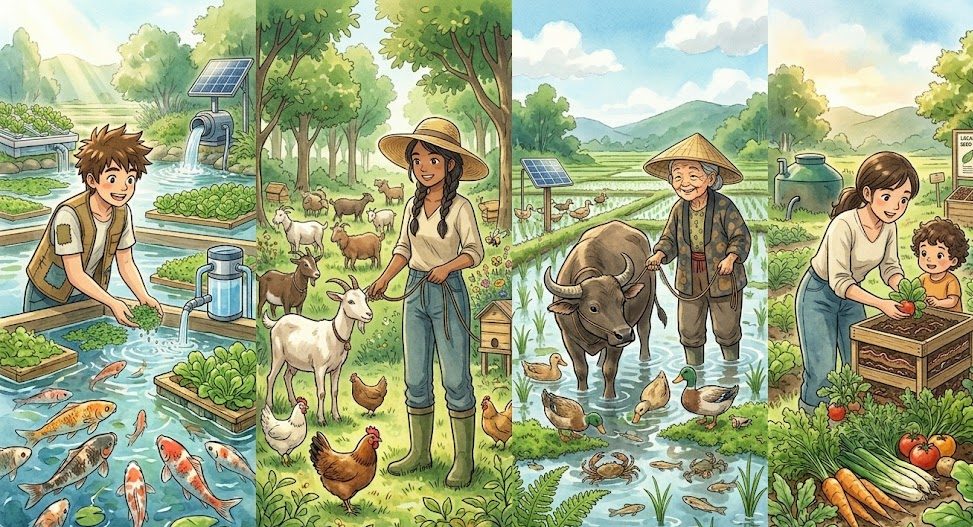
For decades, modern agriculture treated the land like a factory floor. We pumped the soil full of synthetic chemicals, extracted massive harvests, and paid little attention to the long-term damage. Today, the bill for those practices is coming due. Unpredictable weather, depleted topsoil, and rising fertilizer costs are forcing growers to completely rethink how they produce food.
The answer lies in sustainable farming. However, true sustainability is not about abandoning efficiency or returning to the dark ages of agriculture. It is about merging a deep respect for natural ecosystems with precise, modern management.
Whether you are managing acres of open fields or running a highly controlled indoor setup, adopting sustainable practices is the only guaranteed path to long-term profitability and healthy crops. This guide explores the most effective sustainable methods you can integrate into your operations today.
The Foundation of True Sustainability: Soil Management
Everything starts with the soil. In sustainable farming, soil is not just a medium to hold plant roots; it is a living, breathing ecosystem. Millions of microbes, fungi, and earthworms work together to break down organic matter and deliver nutrients directly to your crops.
Heavy chemical farming destroys this microscopic workforce. Sustainable soil management focuses on rebuilding it. By minimizing deep tilling, which disrupts the fungal networks, and regularly adding high-quality organic compost, you create a sponge-like soil structure. This healthy soil naturally retains moisture during droughts and drains efficiently during heavy rains, significantly reducing crop stress.
Rethinking Space: Vertical and Hydroponic Systems
Sustainability is also about resource efficiency, and sometimes the best way to save land and water is to step away from traditional field farming altogether.
Controlled environment agriculture, specifically vertical farming and hydroponics, represents a massive leap forward in sustainable practices. By growing crops in stacked layers using nutrient-rich water instead of soil, these systems use up to 90% less water than conventional farming. Because the environment is tightly controlled, there is no agricultural runoff to pollute local rivers, and the need for chemical pesticides is practically eliminated. These smart, resilient systems are proving that high-yield farming can exist perfectly alongside environmental conservation.
Practical Tips You Can Apply Today
You do not need to overhaul your entire operation overnight to start farming more sustainably. Here are practical, high-impact strategies you can begin implementing immediately:
- Plant Cover Crops: Never let your soil sit bare between cash crops. Planting clover or winter rye protects the topsoil from wind erosion, suppresses weeds naturally, and fixes vital nitrogen back into the earth.
- Upgrade to Smart Irrigation: Stop watering on a static schedule. Install simple soil moisture sensors that communicate with your irrigation valves. By only watering when the plants truly need it, you save massive amounts of water and prevent root rot.
- Embrace Crop Rotation: Growing the same crop in the exact same spot year after year drains specific nutrients and invites targeted pests. Rotate plant families every season to naturally break pest life cycles and keep your soil profile balanced.
- Digitize Your Farm Records: Move away from isolated, paper-based tracking. Use cloud-based farm management dashboards to log your water usage, harvest yields, and compost applications. Having your data accessible and synced across multiple devices allows you to make smarter, less wasteful decisions.
A Real-Life Example: Bridging Generations Through Smart Farming
Consider the story of a traditional, elderly farmer who had worked his family’s land for forty years. His soil was exhausted, and his water bills were eating up his profit margins. Recognizing the need for change, he partnered with a younger, tech-savvy agricultural developer to completely revamp a section of the farm.
Instead of pouring more money into chemical fertilizers, they converted an old, unused barn into a modern vertical hydroponic system to grow leafy greens. They installed smart sensors to monitor water pH and ambient temperature, sending the data directly to a mobile app.
The results were transformative. The elderly farmer’s deep knowledge of plant health combined perfectly with the young developer’s automated, water-saving technology. They produced pristine, pesticide-free crops year-round. The profits from this highly efficient vertical setup eventually funded the slow, organic restoration of their outdoor soil fields.
Common Mistakes to Avoid
Transitioning to sustainable methods is exciting, but enthusiasm can sometimes lead to expensive errors. Keep these common pitfalls in mind to ensure a smooth transition.
First, avoid the trap of treating symptoms rather than causes. If you have an aphid problem, simply switching from a chemical spray to an organic spray is not the ultimate solution. The sustainable approach asks why the aphids are there. Usually, it points to a lack of predatory insects or stressed plants. Focus on fixing the underlying ecosystem.
Second, do not rush the transition. If your land is heavily dependent on synthetic fertilizers, stopping them cold turkey will crash your yields because the natural soil biology is not yet strong enough to support the plants. Taper off the chemicals gradually as you build up the organic matter.
Finally, do not buy smart technology without a plan. Sensors and automated irrigation are incredible tools, but if you do not actively monitor the data they provide, they are just expensive farm decorations. Ensure every piece of tech you buy solves a specific resource problem.
Step-by-Step Guide to Transitioning Your Farm
Building a resilient, sustainable farm requires a logical approach. Follow these steps to begin upgrading your agricultural practices safely.
Step 1: Conduct a Resource Audit Before changing anything, understand your baseline. Test your soil biology, calculate your exact monthly water usage, and map out your current labor costs. You need to know where you are wasting resources.
Step 2: Start with Water Management Water is the easiest place to make immediate sustainable gains. Fix leaks, install drip tape instead of overhead sprinklers, and set up basic rainwater catchment systems to hold water on your property.
Step 3: Introduce Organic Biomass Begin phasing in compost and cover crops. Dedicate a corner of your farm to a large-scale composting system, turning agricultural waste and plant debris back into high-grade soil food.
Step 4: Implement Smart Tracking Adopt a digital management system. Start logging your inputs and outputs daily. Cloud-based tracking helps you identify trends, proving exactly how much money your sustainable practices are saving over time.
Step 5: Diversify Your Output Once the foundation is secure, add a new element to your farm. If you grow outdoor vegetables, look into setting up a small indoor hydroponic rack for year-round herbs. Diversity protects your income from sudden market changes.
Conclusion
Sustainable farming is not a restrictive set of rules; it is an intelligent, forward-thinking approach to agriculture. By prioritizing soil health, embracing water-saving technologies like hydroponics, and letting data drive your daily decisions, you create a farm that works in harmony with nature rather than fighting against it.
The transition takes patience and a willingness to learn, but the rewards are profound. Your crops will grow healthier, your input costs will drop, and your land will become increasingly resilient against extreme weather. Most importantly, you will be building an agricultural business that can thrive not just for the next harvest, but for generations to come.
Frequently Asked Questions (FAQs)
Q: Does sustainable farming mean I have to be 100% organic? A: Not necessarily. While organic farming is a type of sustainable farming, sustainability is a broader concept focused on environmental health and resource efficiency. A grower might use targeted, minimal synthetic inputs while heavily utilizing water-saving hydroponics and cover crops, making their overall operation highly sustainable.
Q: How expensive is it to start vertical farming or hydroponics? A: The initial setup cost for indoor systems is higher than planting seeds in the dirt because you must buy pumps, lights, and structural racks. However, the return on investment is often much faster due to the ability to grow high-value crops year-round with almost zero water waste or pesticide costs.
Q: Can small backyard gardeners use these sustainable practices? A: Absolutely. The core principles of sustainability scale perfectly. A backyard gardener can use a simple compost bin, apply thick organic mulch to save water, and rotate their small vegetable beds just like a commercial farmer would.
Q: Why is deep tilling considered bad for the soil? A: Deep tilling physically slices up earthworms, destroys the delicate web of beneficial fungi, and exposes dormant weed seeds to sunlight. It also causes the soil to dry out rapidly. Reducing tillage keeps the underground ecosystem intact and retains vital moisture.
Q: Do smart farming sensors work for outdoor crops, or just in greenhouses? A: Smart sensors are excellent for outdoor fields. Solar-powered soil moisture probes and digital weather stations can send real-time data from an open field directly to your phone, helping you precisely manage irrigation regardless of your physical location.