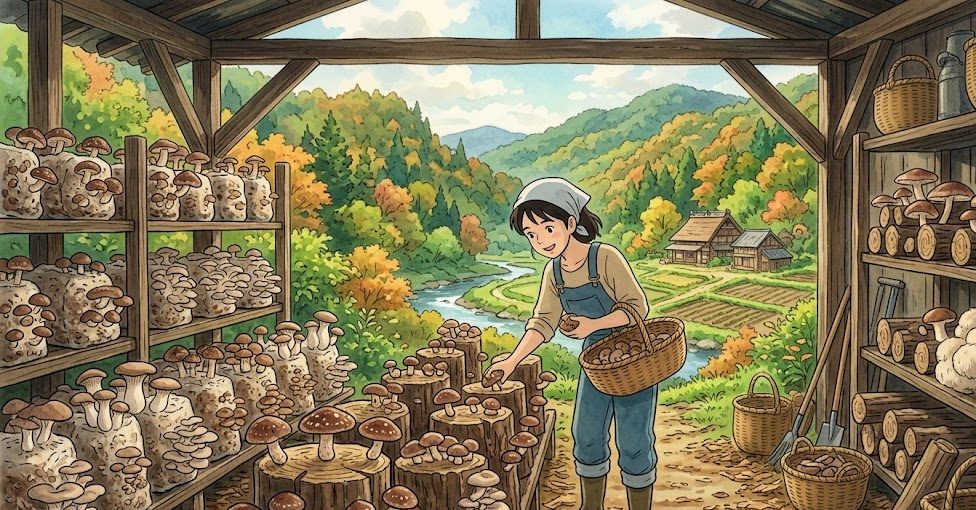
When most people think of starting a commercial farm, they picture sprawling fields, massive tractors, and an intense reliance on seasonal weather patterns. For decades, traditional agriculture has been a game of massive acreage. However, a quiet revolution is happening in the world of niche farming—one that takes place entirely indoors, climbs vertically, and turns agricultural waste into high-value produce.
Welcome to the world of commercial mushroom farming.
Mushrooms are unique because they aren’t plants; they are fungi. They don’t need expensive topsoil, open fields, or direct sunlight to grow. Instead, they thrive in controlled, vertical environments on simple organic materials like sawdust, straw, or agricultural residues. For small-scale landowners, urban entrepreneurs, or homesteaders looking to maximize revenue per square foot, organic mushroom cultivation offers an incredibly profitable and sustainable path.
In this comprehensive guide, we will break down the essential steps, practical tips, and organic techniques needed to launch a successful commercial mushroom operation.
Why Choose Organic Mushroom Farming?
Before diving into the technical setup, it is helpful to understand why gourmet mushrooms command such a premium in today’s food market. Modern consumers are increasingly health-conscious and deeply invested in knowing exactly where their food comes from. High-end restaurants, local grocery stores, and weekend farmers’ markets are constantly on the lookout for fresh, locally grown, organic varieties like Oyster, Shiitake, and Lion’s Mane.
By committing strictly to organic cultivation techniques, you aren’t just protecting the environment; you are positioning your brand at the highest tier of market value. Organic mushrooms don’t rely on synthetic chemical sprays, heavy fertilizers, or artificial growth stimulants. They grow completely naturally, making them a trusted, premium item that health food shoppers and culinary chefs are happy to pay top dollar for.
1. Top Gourmet Varieties for Commercial Success
While there are thousands of mushroom species globally, a successful commercial farm focuses on varieties that grow quickly, resist common contamination, and enjoy strong, established market demand.
Oyster Mushrooms (Pleurotus ostreatus)
Oyster mushrooms are the undisputed gold standard for beginners in commercial mushroom farming. They are exceptionally hardy, tolerate minor mistakes in temperature or humidity, and possess a lightning-fast growth cycle.
- Turnaround Time: You can go from introducing spores to harvesting your first flush in as little as 3 to 4 weeks.
- Substrate Flexibility: They grow beautifully on simple, widely available materials like chopped wheat straw, cottonseed hulls, or recycled clean cardboard.
Shiitake Mushrooms (Lentinula edodes)
Shiitake mushrooms are deeply loved for their rich, savory, and smoky flavor profile. While they take longer to cultivate than Oyster mushrooms, they command a significantly higher price tag at markets. They are traditionally grown on compressed hardwood sawdust blocks and require a bit more patience during the incubation phase, but their consistent consumer demand makes them highly reliable.
Lion’s Mane (Hericium erinaceus)
Lion’s Mane has exploded in popularity due to its striking appearance—resembling a shaggy white pom-pom—and its incredible brain-boosting health benefits. Chefs treat it as a gourmet meat substitute because its texture is remarkably similar to lobster or crab meat. Because it is highly delicate, it doesn’t travel well over long distances, giving local, small-scale growers a massive competitive advantage over distant commercial distributors.
2. The Core Stages of Organic Cultivation
To maintain a steady, weekly supply of mushrooms for your clients, your farm must operate like a smooth, clean assembly line. Organic mushroom production moves through four distinct, highly controlled stages.
+------------------+-------------------------------------------------------------+
| Cultivation Stage| Primary Goal & Environment                                   |
+------------------+-------------------------------------------------------------+
| 1. Substrate Prep| Sterilizing or pasteurizing organic material naturally.     |
| 2. Inoculation   | Mixing mushroom spawn into the clean substrate carefully.   |
| 3. Incubation    | Warm, dark, and humid room to let mycelium colonize.         |
| 4. Fruiting      | Introducing light, fresh air, and cool mist to grow mushrooms.|
+------------------+-------------------------------------------------------------+
Stage 1: Organic Substrate Preparation
Since mushrooms don’t grow in standard soil, you must prepare a nutrient-rich “substrate” for them to live in. In organic systems, you cannot use chemical fungicides or artificial stabilizers to keep your substrate clean. Instead, growers use pasteurization—heating the substrate using hot water or organic steam to roughly 140°F to 160°F (60°C to 71°C) for several hours. This process wipes out harmful mold spores and competing bacteria while leaving beneficial microorganisms intact to support healthy mushroom growth.
Stage 2: Inoculation
Once your pasteurized substrate cools down completely, it’s time for inoculation. This is the precise act of mixing mushroom “spawn” (grain or sawdust that is already colonized by the living fungal culture) into your clean substrate. This step must be performed in an ultra-clean environment—ideally using a simple glove box or a laminar flow hood—to prevent random wild mold spores from blowing into your open grow bags.
Stage 3: Incubation (The Run)
After mixing, the substrate is packed tightly into breathable plastic grow bags or buckets and placed in a warm, dark, and highly humid incubation room. Over the next few weeks, the mushroom culture will grow hidden roots called mycelium. The mycelium slowly spreads across the substrate, weaving it together into a solid, brilliant white block.
Stage 4: Fruiting (The Harvest)
Once the bag is completely white, you move it into the fruiting chamber. To trigger the mycelium into growing actual mushrooms, you must change its environment dramatically. You cut open small slits in the plastic bag and introduce:
- Fresh Air Exchange: Drastically lowers carbon dioxide levels.
- Indirect Light: Mimics sunlight breaking through a forest canopy.
- Cool Temperatures & Fine Mist: High humidity (85-90%) keeps the delicate, emerging “pinheads” from drying out as they rapidly balloon into full-sized mushrooms over a matter of days.
3. Practical Tips for Marketing Your Harvest
Growing beautiful mushrooms is only half the battle; running a profitable commercial business means selling them efficiently before they spoil. Because fresh mushrooms are highly perishable, use these practical real-world strategies to secure your cash flow:
- Build Relationships with Local Chefs: Independent, non-chain restaurants are always hungry for ultra-fresh, locally harvested ingredients. Bring a beautiful, clean sample basket of your freshly picked Oyster or Lion’s Mane mushrooms directly to the kitchen during their quiet mid-afternoon hours. Offer them a consistent weekly delivery schedule.
- Dominate Weekend Farmers’ Markets: Create an eye-catching, rustic display. Offer simple cooking demonstrations—like sautéing a few mushrooms in a pan with organic butter and garlic—to draw crowds with the aroma. Educate shoppers on the culinary uses and distinct health benefits of each variety.
- Process Value-Added Products: If you have an abundant harvest that doesn’t sell immediately, don’t let it go to waste. Invest in a food-grade dehydrator to create dried mushroom slices, gourmet mushroom powders, or organic seasoning rubs. These shelf-stable products have incredible profit margins and can be sold year-round online without any risk of spoilage.
Conclusion
Commercial mushroom farming is a deeply rewarding, eco-friendly venture that perfectly balances modern tech with natural biology. By selecting hardy varieties like Oyster mushrooms, mastering the clean habits of organic steam pasteurization, and establishing local direct-to-consumer sales channels, you can transform a simple indoor room into a highly productive agricultural asset. Start small, maintain pristine cleanliness in your lab space, and watch your unique indoor farm flourish.
Frequently Asked Questions (FAQs)
1. How much space do I need to start a commercial mushroom farm?
You can easily start a commercial operation in a space as small as a standard spare bedroom, basement, or a small outdoor tool shed. By using vertical metal racks to stack your grow bags, a 10×10 foot room can comfortably produce 20 to 30 pounds of fresh mushrooms every single week.
2. Can I use regular backyard soil to grow gourmet mushrooms?
No. Commercial varieties like Oyster, Shiitake, and Lion’s Mane are wood-decomposing fungi, not ground plants. They cannot grow in dirt. They require cellular, carbon-rich materials like hardwood sawdust, wheat straw, or agricultural hulls to feed upon.
3. What is the biggest risk in indoor mushroom cultivation?
The single biggest challenge is contamination from wild green molds (like Trichoderma). Because mold spores float invisibly in everyday air, maintaining strict cleanliness during the inoculation stage and properly pasteurizing your substrate is vital to keep your crops safe.
4. How long do fresh mushrooms last after harvest?
When stored properly in breathable paper bags inside a commercial refrigerator, fresh gourmet mushrooms retain their premium quality for roughly 5 to 7 days. For longer storage, they should be dried, frozen, or processed into powders.
5. Do I need expensive automated machinery to start out?
Not at all. While large farms use automated climate controllers, beginners can easily build a highly effective fruiting chamber using a standard plastic greenhouse tent, a basic ultrasonic room humidifier plugged into a cheap humidity switch, and a small exhaust fan to pull in fresh air.