Introduction
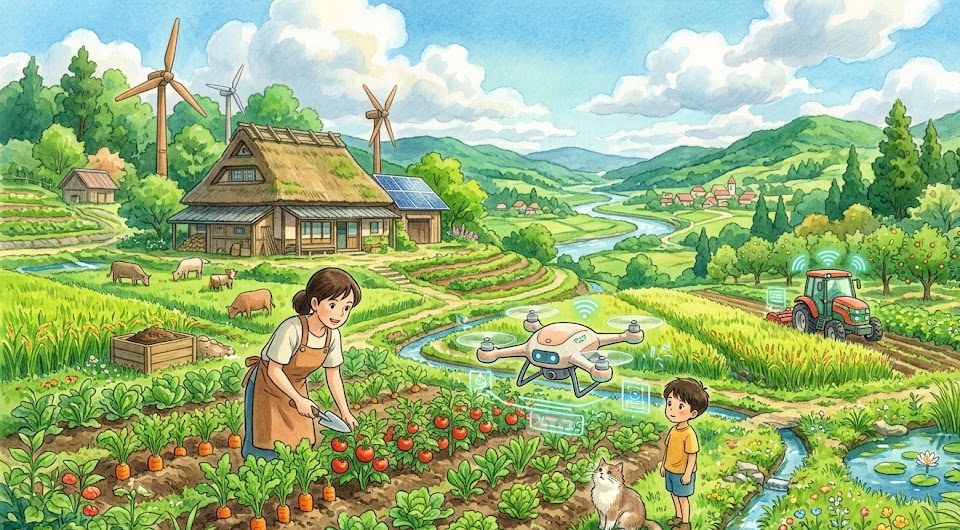
Sustainable farming is an approach that focuses on producing food while preserving natural resources and protecting the environment. With increasing concerns about climate change, soil degradation, and water scarcity, sustainable agriculture has become essential for long-term food security.
This method emphasizes eco-friendly practices that maintain soil health, reduce pollution, and ensure consistent crop production for future generations.
Key Benefits of Sustainable Farming
- Protects the environment
- Improves soil fertility
- Reduces chemical usage
- Conserves water resources
- Ensures long-term productivity
1. Principles of Sustainable Farming
Sustainable farming is based on key principles such as:
- Crop rotation
- Organic fertilization
- Water conservation
- Biodiversity protection
These practices help maintain ecological balance.
2. Eco-Friendly Farming Techniques
- Organic Farming: Avoids chemical fertilizers and pesticides
- Agroforestry: Combines trees with crops
- Rainwater Harvesting: Saves water for irrigation
- Integrated Pest Management: Controls pests naturally
These methods reduce environmental impact while maintaining productivity.
3. Importance for Farmers
Sustainable farming reduces long-term costs and improves crop quality. It also helps farmers adapt to changing climate conditions.
Consumers are increasingly choosing organic and eco-friendly products, creating better market opportunities.
4. Future of Sustainable Agriculture
With government support and global awareness, sustainable farming is expected to grow rapidly. Technologies like precision farming and smart irrigation are further enhancing its effectiveness.
Conclusion
Sustainable farming is not just an option but a necessity for the future. By adopting eco-friendly practices, farmers can ensure both profitability and environmental protection.