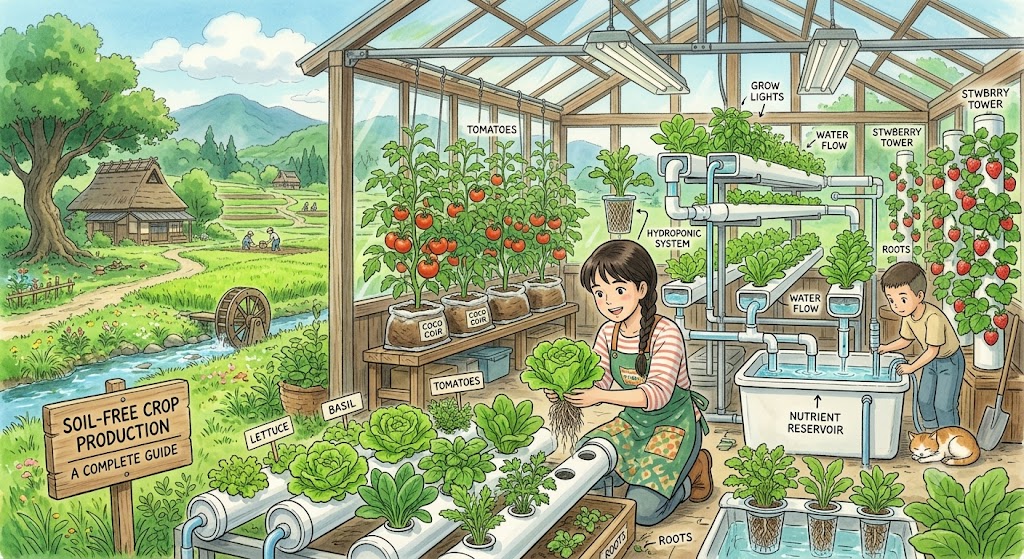
Agriculture is evolving rapidly as farmers search for innovative ways to produce more food while using fewer resources. One of the most exciting developments in modern farming is hydroponics, a method of growing plants without soil. Instead of relying on traditional soil-based cultivation, hydroponic systems deliver water, nutrients, and oxygen directly to plant roots, allowing crops to grow efficiently in controlled environments.
As concerns about land availability, water scarcity, and climate change continue to grow, hydroponics has emerged as a practical solution for sustainable food production. This farming method is being adopted by commercial growers, urban farmers, greenhouse operators, and even home gardeners around the world.
Whether you’re interested in starting a small hydroponic setup or launching a commercial operation, understanding the fundamentals of hydroponics can help you build a productive and profitable farming system.
What Is Hydroponics Farming?
Hydroponics is a method of growing plants without soil by using nutrient-rich water solutions to provide essential minerals directly to plant roots.
In hydroponic systems, plants are typically grown using alternative growing media such as:
- Coconut coir
- Perlite
- Vermiculite
- Rockwool
- Clay pellets
These materials support the plant roots while water and nutrients supply everything needed for healthy growth.
Why Hydroponics Is Gaining Popularity
Hydroponics offers several advantages over traditional farming methods.
Key Benefits
- Requires less land
- Uses less water
- Faster plant growth
- Higher crop yields
- Reduced weed problems
- Better control over growing conditions
- Suitable for urban farming
These benefits make hydroponics an attractive option for modern food production.
How Hydroponics Works
In traditional farming, plants obtain nutrients from the soil. In hydroponics, nutrients are dissolved in water and delivered directly to the roots.
The essential components include:
- Water
- Nutrient solution
- Growing medium
- Light source
- Oxygen supply
- Environmental control
Because nutrients are readily available, plants often grow faster and more efficiently than in conventional soil systems.
Types of Hydroponic Systems
Several hydroponic systems are used worldwide, each with its own advantages.
Deep Water Culture (DWC)
In this system, plant roots remain suspended in nutrient-rich water while receiving oxygen through air pumps.
Benefits
- Simple setup
- Low maintenance
- Fast plant growth
DWC is often recommended for beginners.
Nutrient Film Technique (NFT)
NFT systems continuously circulate a thin layer of nutrient solution across plant roots.
Advantages
- Efficient water use
- Excellent oxygen availability
- Suitable for leafy vegetables
NFT is commonly used in commercial hydroponic farms.
Drip Irrigation System
This system delivers nutrient solution directly to each plant through drip emitters.
Benefits
- Precise nutrient delivery
- Suitable for many crop types
- Scalable for commercial production
Drip systems are among the most widely used hydroponic methods.
Ebb and Flow System
Also known as flood and drain systems, these periodically flood plant roots with nutrient solution before draining it away.
Advantages
- Good oxygenation
- Versatile crop options
- Efficient nutrient use
This system works well for a variety of vegetables and herbs.
Aeroponics
Aeroponic systems suspend roots in the air and mist them with nutrient-rich water.
Benefits
- Exceptional oxygen exposure
- Rapid growth rates
- Efficient water use
Aeroponics is considered one of the most advanced hydroponic technologies.
Best Crops for Hydroponic Farming
Many crops perform exceptionally well in hydroponic systems.
Popular options include:
- Lettuce
- Spinach
- Kale
- Basil
- Mint
- Tomatoes
- Cucumbers
- Peppers
- Strawberries
- Microgreens
Leafy vegetables are particularly popular because of their rapid growth and high market demand.
Choosing the Right Location
Hydroponic systems can be installed in:
- Greenhouses
- Indoor growing facilities
- Urban rooftops
- Warehouses
- Small backyard structures
Important Considerations
Choose a location with:
- Reliable electricity
- Access to clean water
- Adequate ventilation
- Sufficient lighting
- Protection from extreme weather
Proper site selection contributes significantly to success.
Water Quality Management
Water is the foundation of every hydroponic system.
Important water quality factors include:
- pH level
- Electrical conductivity (EC)
- Mineral content
- Temperature
- Purity
Ideal pH Range
Most hydroponic crops perform best within a pH range of approximately 5.5 to 6.5.
Regular monitoring helps maintain optimal growing conditions.
Nutrient Management
Plants require essential nutrients for healthy development.
Primary nutrients include:
- Nitrogen (N)
- Phosphorus (P)
- Potassium (K)
Additional nutrients include:
- Calcium
- Magnesium
- Sulfur
- Iron
- Zinc
- Manganese
Why Nutrient Balance Matters
Proper nutrient management supports:
- Strong root development
- Healthy foliage
- Improved flowering
- Higher yields
Nutrient deficiencies can quickly affect plant growth in hydroponic systems.
Lighting Requirements
Plants need light for photosynthesis.
Hydroponic farms may use:
- Natural sunlight
- LED grow lights
- High-intensity discharge lighting
Benefits of LED Grow Lights
- Energy efficiency
- Long lifespan
- Adjustable light spectrums
- Lower heat production
Artificial lighting allows year-round crop production regardless of weather conditions.
Temperature and Environmental Control
Hydroponic farming offers greater control over environmental factors.
Key variables include:
- Temperature
- Humidity
- Air circulation
- Carbon dioxide levels
Maintaining optimal conditions helps maximize plant growth and productivity.
Pest and Disease Management
Although hydroponics eliminates many soil-related problems, pests and diseases can still occur.
Common issues include:
- Aphids
- Whiteflies
- Spider mites
- Fungal infections
Preventive Measures
- Maintain clean equipment
- Monitor crops regularly
- Control humidity levels
- Remove affected plants promptly
Good sanitation practices significantly reduce risks.
Advantages of Hydroponics Farming
Hydroponics provides several important benefits.
Increased Productivity
Plants often grow faster because nutrients are readily available.
Water Conservation
Hydroponic systems can use significantly less water than traditional agriculture.
Reduced Land Requirements
Vertical growing systems allow efficient use of limited space.
Year-Round Production
Controlled environments enable continuous crop production regardless of season.
Consistent Quality
Environmental control helps produce uniform, high-quality crops.
Challenges of Hydroponics Farming
Despite its advantages, hydroponics also presents certain challenges.
Initial Investment Costs
Equipment and infrastructure can require significant upfront investment.
Technical Knowledge Requirements
Successful management requires understanding of:
- Nutrient solutions
- Water chemistry
- Environmental control
Dependence on Electricity
Many systems rely on pumps, lighting, and monitoring equipment.
Planning for these challenges is important before starting a hydroponic operation.
Tips for Starting a Successful Hydroponic Farm
To improve your chances of success:
- Start with simple systems
- Choose easy-to-grow crops initially
- Monitor water quality regularly
- Maintain proper nutrient balance
- Invest in reliable equipment
- Keep accurate production records
Gradually expanding operations allows growers to gain valuable experience.
Frequently Asked Questions
1. What is hydroponics farming?
Hydroponics is a method of growing plants without soil by supplying nutrients directly through water-based solutions.
2. Which crops grow best in hydroponic systems?
Leafy greens, herbs, tomatoes, cucumbers, peppers, strawberries, and microgreens are among the most popular hydroponic crops.
3. Does hydroponics use less water than traditional farming?
Yes. Most hydroponic systems recycle water, making them significantly more water-efficient than conventional agriculture.
4. Is hydroponic farming profitable?
Hydroponics can be highly profitable when managed properly, particularly for high-value crops and year-round production.
5. Can hydroponics be practiced at home?
Yes. Small-scale hydroponic systems are suitable for home gardeners and beginners interested in growing fresh produce.
Conclusion
Hydroponics farming is transforming modern agriculture by offering an efficient and sustainable way to produce crops without soil. Through precise nutrient management, controlled growing environments, and efficient water use, hydroponic systems allow farmers to achieve higher productivity while overcoming many limitations of traditional farming.
As global demand for food continues to increase and agricultural resources become more limited, hydroponics presents exciting opportunities for commercial growers, urban farmers, and entrepreneurs alike. By understanding the principles of hydroponic production and implementing best management practices, growers can build successful soil-free farming operations that deliver consistent yields and long-term profitability.
Explore more helpful articles on our website for additional farming guides, modern agriculture innovations, and sustainable crop production strategies.