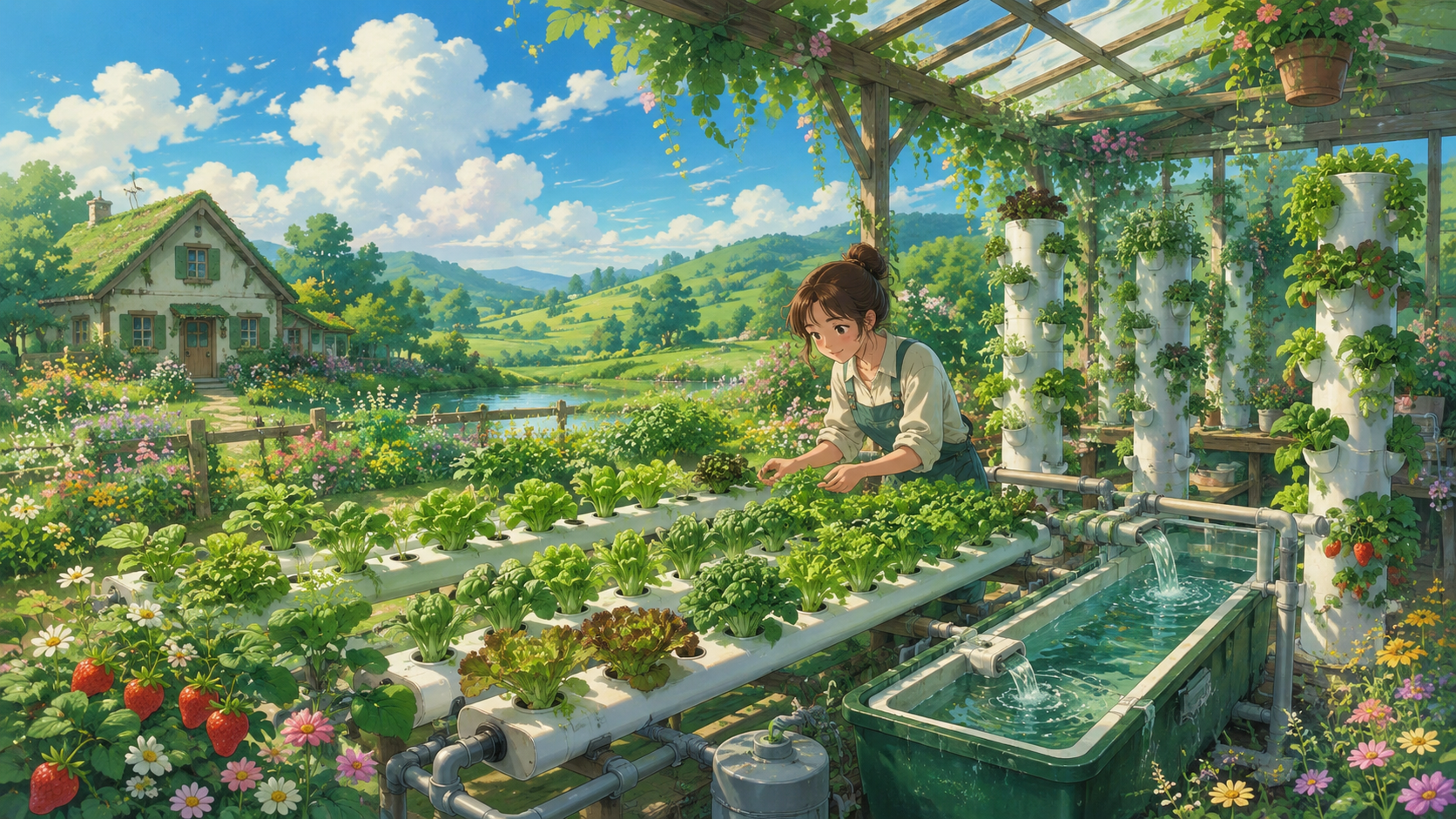
Imagine telling a farmer a century ago that you could grow a massive, juicy tomato without a single ounce of dirt. They would have likely called you crazy. Yet, today, growing crops without soil is not just a scientific possibility; it is one of the most effective and fastest-growing agricultural methods in the world.
Welcome to the world of hydroponics. Whether you are an urban dweller with a tiny apartment balcony or a grower looking to build a highly efficient indoor farm, hydroponics offers a cleaner, faster, and highly productive way to grow fresh food. If the idea of mixing nutrient water and air pumps sounds intimidating, do not worry. This guide will break down exactly how you can start your first soil-free garden with confidence.
What Exactly is Hydroponics?
At its core, hydroponics is the method of growing plants in a nutrient-rich water solution instead of traditional soil.
In nature, dirt acts as a sponge. It holds water and minerals so plant roots can slowly search for them. In a hydroponic setup, you bypass the dirt completely. You deliver the exact vitamins, minerals, and oxygen directly to the plant’s root system. Because the plants do not have to waste energy growing massive root webs to hunt for food, they channel all that energy upward. The result? They grow bigger leaves, thicker stems, and heavier fruits in a fraction of the time.
Why Choose Hydroponics Over Soil?
Traditional gardening is wonderful, but hydroponics solves several major problems that plague everyday growers:
- Massive Water Savings: Traditional farming uses a staggering amount of water, most of which evaporates or sinks deep into the earth. Hydroponic systems are enclosed and recirculate the water. This means they use up to 90% less water than growing in a standard dirt garden.
- Space Optimization: Because roots do not need to spread out to find food, you can pack plants much closer together. You can even stack them vertically on shelves, turning a small spare room into a high-yield growing space.
- No Weeds or Soil Pests: Pulling weeds is the hardest part of traditional farming. Without dirt, weeds simply do not exist. Furthermore, you eliminate all the destructive soil-borne pests and fungal diseases that typically ruin crops.
Popular Hydroponic Systems for Beginners
There are many ways to build a hydroponic garden, but two systems stand out as the absolute best for beginners.
Deep Water Culture (DWC) This is the easiest and most foolproof method. Plants sit in small net pots filled with clay pebbles, suspended over a reservoir of nutrient water. An aquarium air pump pushes bubbles into the water, constantly bathing the dangling roots in oxygen. It is cheap to build and highly effective for growing large plants like peppers and tomatoes.
The Kratky Method Named after the researcher who popularized it, this is a completely passive system. It is similar to DWC, but it uses no electricity or air pumps. You simply suspend the plant over a container of nutrient water. As the plant drinks the water, the water level drops, creating an air gap. The upper roots absorb oxygen from the air gap, while the lower roots drink the water. It is perfect for fast-growing greens like lettuce.
Practical Tips for Hydroponic Success
- Invest in a Good pH Meter: Plant roots can only absorb nutrients if the water’s pH is at the right level. For most hydroponic plants, a pH between 5.5 and 6.5 is the sweet spot. A cheap digital pH pen will save you from endless frustration.
- Keep the Water Cool: Warm water holds less oxygen and becomes a breeding ground for bad bacteria. Try to keep your nutrient reservoir between 65°F and 70°F (18°C to 21°C). If your water gets too hot, roots will turn brown and rot.
- Refresh the Reservoir: Do not just keep topping off the water forever. Every two to three weeks, completely drain your reservoir and fill it with fresh water and a new batch of nutrients. This prevents toxic salt buildup.
A Real-Life Example of Hydroponic Success
To see how accessible this is, consider the story of a grower living in a cramped downtown apartment. He wanted fresh, crisp salads but had absolutely no outdoor space.
Instead of giving up, he built a simple Deep Water Culture system using a standard 5-gallon plastic storage tote, an aquarium air pump, and a basic LED shop light. He cut six holes in the lid and planted butterhead lettuce seedlings. Within 30 days, he was harvesting massive heads of fresh lettuce. By simply planting a new seedling every time he harvested a mature plant, that single plastic box provided him with a continuous, daily salad supply all winter long, costing him only a few dollars a month in electricity and liquid nutrients.
Common Mistakes to Avoid
- Overcomplicating the Setup: It is tempting to buy expensive, complex systems right away. Do not do it. Start with a simple bucket or tote system. Learn how roots behave in water before you invest heavily in complex piping and timers.
- Ignoring Lighting Needs: Plants need intense light to photosynthesize. A standard room light bulb or a dim window will result in tall, weak, and spindly plants. If you are growing indoors, invest in a dedicated full-spectrum LED grow light.
- Using Traditional Fertilizers: You cannot use standard dirt fertilizers in a hydroponic system. They do not dissolve cleanly and lack the trace minerals that dirt usually provides. Always buy plant food specifically labeled for hydroponics.
Step-by-Step Guide to Starting Your First System
Ready to start? Follow this straightforward roadmap to launch your first soil-free garden:
- Choose Your Location: Find a spot with consistent temperatures. A spare closet, a basement corner, or a kitchen counter works perfectly.
- Select Your Container: Buy a clean, dark-colored plastic tote with a lid. The dark color prevents light from hitting the water, which stops algae from growing.
- Set Up the Air Pump: Place an air stone at the bottom of the tote and connect it to an aquarium pump outside the box. This will provide the crucial oxygen your roots need.
- Mix the Nutrients: Fill the tote with clean water. Add your liquid hydroponic nutrients exactly according to the instructions on the bottle. Check and adjust the pH to around 6.0.
- Plant Your Seedlings: Place your young seedlings into net pots filled with clay pebbles or rockwool. Secure the net pots into the holes on your tote lid.
- Turn on the Lights: Position your grow light directly above the plants and run it for 14 to 16 hours a day. Now, simply watch them grow.
Conclusion
Hydroponic farming strips away the heavy labor, the unpredictable weather, and the dirty hands of traditional gardening. By focusing strictly on what the plant needs—water, nutrients, light, and oxygen—you can achieve incredible growth rates in very small spaces. The initial setup requires a bit of measuring and monitoring, but once your system is running smoothly, it becomes a highly rewarding, low-maintenance way to produce your own high-quality food all year round.
Frequently Asked Questions
1. Are hydroponic vegetables as healthy as those grown in soil? Yes, they are highly nutritious. Because the plants are fed a perfectly balanced diet of essential minerals, hydroponic crops often have an equal or even higher nutritional profile compared to their soil-grown counterparts.
2. Does the water in the system get smelly over time? A properly maintained system should smell fresh, like clean rain or faint greenery. If your water smells bad or swampy, it means there is a lack of oxygen in the water, which allows anaerobic bacteria to breed. Adding an air stone will fix this.
3. What is the easiest plant for a beginner to grow first? Leafy greens are the undisputed champions for beginners. Lettuce, spinach, Swiss chard, and basil grow incredibly fast, require very little space, and are highly forgiving if you make minor mistakes with your water chemistry.
4. Can I grow root vegetables like carrots or potatoes in water? While it is technically possible with highly specialized setups like aeroponics, it is extremely difficult and not recommended for beginners. Hydroponics is best suited for above-ground crops like greens, herbs, tomatoes, and cucumbers.
5. How much electricity does an indoor hydroponic system use? Very little. Modern LED grow lights are highly energy-efficient, and basic aquarium air pumps draw only a few watts of power. A small beginner setup will usually add less than five dollars to your monthly electricity bill.