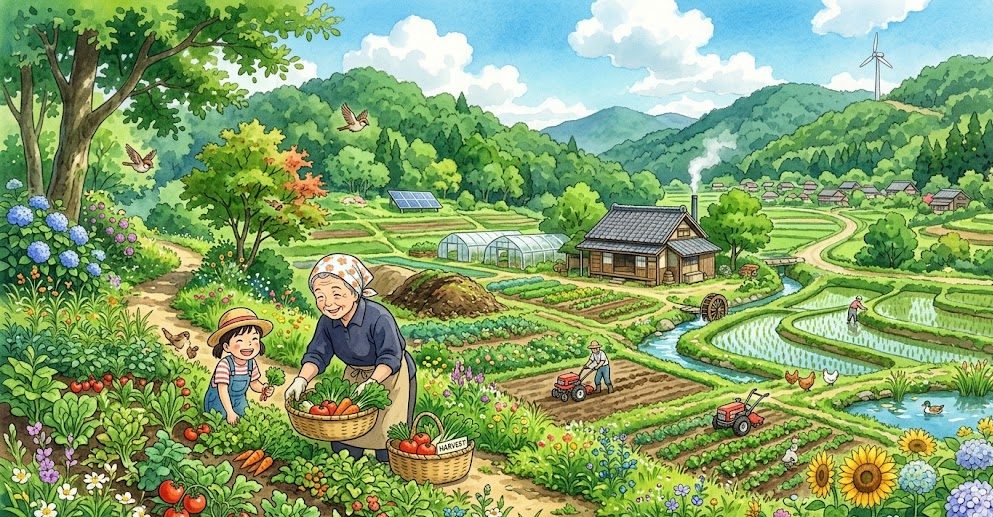
For decades, the global agricultural narrative was dominated by “The Green Revolution”—a period focused on maximizing yields through heavy chemical inputs, intensive irrigation, and monoculture. While this fed a growing planet, it came at a steep environmental cost. Today, the tide is turning. Sustainable farming is no longer just a buzzword for boutique organic gardens; it is a sophisticated, science-based approach to ensuring global food security while restoring the planet.
Transitioning to eco-friendly agriculture isn’t just an ethical choice—it is a strategic business move. By focusing on the health of the ecosystem, farmers can reduce input costs, build resilience against climate change, and tap into a rapidly growing market of conscious consumers.
1. The Foundation: Soil Health and Regenerative Practices
Modern sustainable farming begins underground. Healthy soil is a living ecosystem, not just a medium to hold plants upright. When soil is treated as a finite resource, long-term gains follow.
- No-Till Farming: Conventional plowing disrupts soil structure and releases stored carbon into the atmosphere. No-till methods keep the soil biology intact, improve water infiltration, and significantly reduce erosion.
- Cover Cropping: Leaving soil bare between main harvests leads to nutrient runoff. Planting “cover crops” like clover or rye protects the surface, fixes nitrogen naturally, and suppresses weeds without the need for heavy herbicides.
- Crop Rotation: Planting the same crop year after year (monoculture) drains specific nutrients and invites pests. Rotating crops breaks pest cycles and naturally replenishes soil fertility.
2. Water Stewardship: Precision and Conservation
As global water scarcity increases, sustainable farming treats every drop as a precious resource. Moving away from wasteful flood irrigation is essential for long-term viability.
- Drip Irrigation: By delivering water directly to the plant’s roots, drip systems reduce evaporation and runoff by up to 50%.
- Rainwater Harvesting: Capturing and storing rainwater provides a “buffer” during drought seasons, reducing reliance on depleting groundwater levels.
- Sensor-Based Monitoring: Using IoT (Internet of Things) sensors to measure soil moisture ensures that irrigation only happens when absolutely necessary, preventing over-saturation and nutrient leaching.
3. Integrated Pest Management (IPM)
Eco-friendly success means moving away from the “spray-first” mentality. Integrated Pest Management uses a combination of biological, cultural, and physical tools to keep pest populations in check without obliterating beneficial insects like bees and ladybugs.
| Strategy | Action | Benefit |
|---|---|---|
| Biological Control | Introducing natural predators (e.g., parasitic wasps). | Reduces chemical dependency. |
| Pheromone Traps | Using scents to disrupt mating cycles. | Targets specific pests without harming others. |
| Companion Planting | Planting marigolds or herbs near crops. | Naturally repels harmful insects via scent. |
Export to Sheets
4. The Role of Technology: “AgTech” for Sustainability
Sustainability and technology are often viewed as opposites, but in modern farming, they are inseparable. Precision Agriculture allows farmers to apply inputs with surgical accuracy.
- Drones and Satellite Imagery: These tools help identify specific patches of a field that need water or nutrients, rather than treating the entire 100-acre plot uniformly.
- Variable Rate Technology (VRT): This allows machinery to automatically adjust the amount of seed or organic fertilizer dropped based on the specific needs of the soil at that exact coordinate.
- Data-Driven Decisions: By analyzing historical weather patterns and yield data, farmers can predict the best planting times, reducing the risk of crop failure due to climate volatility.
5. Biodiversity and Agroforestry
A farm should function like a forest, not a factory. Integrating trees and diverse plant life creates a “buffer” that protects the core business.
- Agroforestry: Planting trees alongside crops or livestock provides shade, windbreaks, and additional revenue streams (like fruit or timber).
- Pollinator Habitats: Dedicating small strips of land to wildflowers ensures that local bee populations thrive, which in turn increases the pollination rates and yields of the main crops.
6. The Economic Edge: Long-Term Financial Gains
Critics often argue that eco-friendly farming is too expensive. However, when looking at the Return on Investment (ROI) over a 5-to-10-year period, the numbers tell a different story:
- Reduced Input Costs: Less spent on synthetic fertilizers, pesticides, and fuel (due to fewer tractor passes) directly improves the bottom line.
- Premium Market Pricing: Organic and “Sustainably Grown” certifications allow farmers to command higher prices in the marketplace.
- Climate Resilience: Sustainable farms recover faster from floods and droughts. In an era of extreme weather, this resilience is the ultimate insurance policy.
- Carbon Credits: Many governments and private sectors now pay farmers for the carbon they sequester in their soil, creating a brand-new revenue stream.
7. Overcoming Challenges
The transition to eco-friendly farming is not without hurdles. The first 2–3 years of switching from conventional to sustainable methods can see a slight dip in yields as the soil “detoxes” and rebuilds its natural biology.
Success Key: Implementation should be incremental. Start with one field, master cover cropping, and then scale up. Government subsidies and “Green Loans” are increasingly available to help bridge this transitional gap.
Conclusion
Implementing sustainable farming practices is an investment in the future of the planet and the profitability of the agricultural industry. By moving away from extractive methods and toward regenerative ones, we ensure that the land remains productive for generations to come.
Eco-friendly success isn’t just about saving the earth—it’s about building a robust, high-tech, and profitable food system that works in harmony with nature rather than against it. The farmers who adopt these practices today will be the leaders of the global food economy tomorrow.