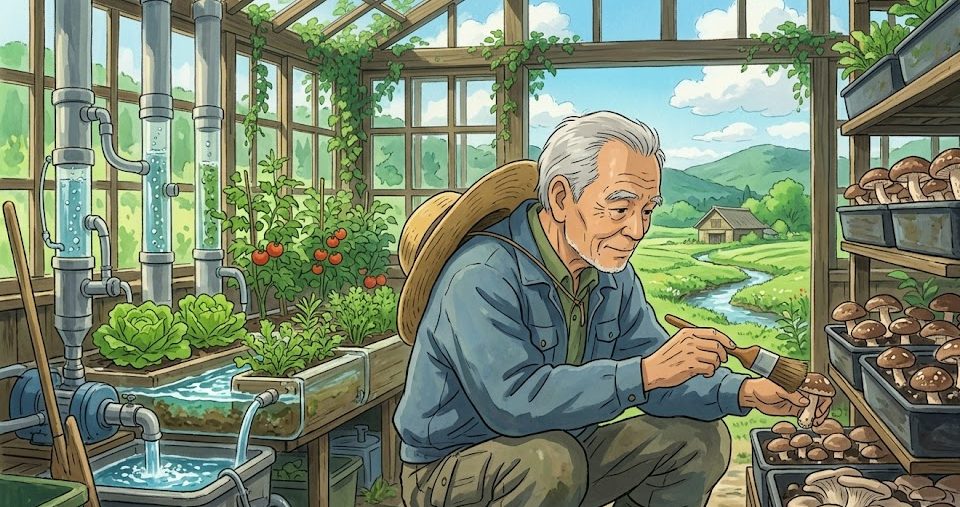
In the evolving world of agriculture, space efficiency and resource optimization have become the cornerstones of profitability. As traditional land-based farming faces challenges from soil degradation and climate instability, forward-thinking entrepreneurs are turning to High-Yield Sustainable Agriculture. Specifically, hydroponics and mushroom farming have emerged as two of the most lucrative and scalable models for modern farmers.
This guide provides expert insights into maximizing your yield while maintaining a sustainable, cost-effective operation.
1. Mastering Hydroponic Systems for Peak Performance
Hydroponics is the art of growing plants without soil, using mineral nutrient solutions in an aqueous solvent. Because you control the environment entirely, the potential for yield is significantly higher than in traditional gardening.
Precision Nutrient Management
The key to high yields in hydroponics is not just giving plants nutrients, but providing the right nutrients at the right time.
- Monitor pH and EC Daily: Electrical Conductivity (EC) levels tell you how concentrated your nutrient solution is, while pH determines how easily plants can absorb those nutrients.
- Invest in Quality Sensors: Automated IoT sensors can alert you to fluctuations in real-time, preventing nutrient burn or deficiency before they stunt growth.
Optimizing Light and Temperature
Even in indoor systems, light is the primary driver of growth.
- Full-Spectrum LED Lighting: Use programmable LEDs that simulate the sun’s natural cycle. Adjusting the light spectrum can trigger faster flowering or more robust foliage depending on your crop.
- Environmental Stability: Hydroponic crops thrive when temperature and humidity are kept within strict ranges. Installing ventilation and circulation fans is essential to prevent mold and encourage transpiration.
2. Profitable Mushroom Farming: Turning Waste into Gold
Mushroom farming is perhaps the most efficient form of sustainable agriculture because it utilizes agricultural byproducts—such as straw, sawdust, or cottonseed hulls—that would otherwise go to waste.
Creating the Ideal Substrate
Mushrooms are decomposers. The quality of your substrate determines the size and quantity of your harvest.
- Proper Pasteurization: Whether you use steam or hot water, thoroughly pasteurizing your substrate is the most critical step to eliminate competing fungi and bacteria.
- Substrate Supplementation: Adding nitrogen-rich supplements like wheat bran can boost yields, but be careful—too much supplementation increases the risk of contamination.
Controlling the Fruiting Environment
Mushrooms are incredibly sensitive to their surroundings during the fruiting stage.
- Humidity Management: Mushrooms require very high humidity (often 85-95%) to develop properly without drying out.
- Fresh Air Exchange (FAE): While mushrooms need high humidity, they also need to “breathe.” High CO2 levels lead to long, spindly mushrooms; regular fresh air exchange ensures they grow thick and healthy.
3. Strategies for Sustainable Scaling
High-yield farming is only profitable if your systems are scalable and cost-efficient.
The Closed-Loop Advantage
True sustainability involves minimizing waste.
- Water Recycling: Hydroponic systems can be designed to recirculate water, reducing usage by up to 90% compared to soil-based farming.
- Compost Integration: Once your mushroom substrate is “spent” (meaning it can no longer produce mushrooms), it becomes a nutrient-dense, premium organic fertilizer that can be sold to local home gardeners, creating a secondary revenue stream.
Data-Driven Decision Making
To scale, you must treat your farm like a laboratory.
- Keep Detailed Records: Track your “cost-per-unit.” Know exactly how much electricity, water, and substrate goes into every kilogram of produce.
- Phased Expansion: Never scale all at once. Invest in one new hydroponic bay or mushroom chamber at a time, test your margins, and only expand further once the new unit is profitable.
4. Marketing Your Sustainable Harvest
The “sustainability” label is a powerful marketing tool. Because hydroponic and mushroom farms often use fewer pesticides and less land, you can command a premium price in local markets.
- Build Direct Relationships: Don’t just sell to wholesalers. Partner with local chefs who value the consistent quality of hydroponic herbs or the unique flavor of gourmet mushrooms.
- Transparency: Document your farm’s processes on social media. Modern consumers are willing to pay more when they can see that their food was grown cleanly, efficiently, and locally.
Conclusion
Hydroponics and mushroom farming represent the pinnacle of high-yield, sustainable agriculture. By mastering the science of nutrient delivery for hydroponics and the environmental control needed for mushrooms, you can create a business that is both environmentally resilient and highly profitable.
Start small, focus on perfecting your environment, and use data to refine your methods. As your efficiency grows, so will your profit margins.