In the contemporary agricultural economy, the era of the single-crop “monoculture” farm is rapidly fading. For the modern entrepreneur and producer, resilience is synonymous with diversity. Modern Diversified Farming is the strategy of integrating multiple agricultural systems to create a self-sustaining, high-margin, and risk-averse business model.
Whether you are scaling a commercial operation or optimizing an urban agricultural project, diversifying your farm acts as a hedge against market volatility, pest outbreaks, and climate change. This guide explores the integrated methods and high-value crop strategies that define the future of profitable agriculture.
1. The Strategy of Integrated Farming Systems (IFS)
An Integrated Farming System is designed to create a “closed-loop” environment. In this setup, the waste or byproduct of one system becomes the input for another, drastically reducing operational costs.
Symbiotic Growth
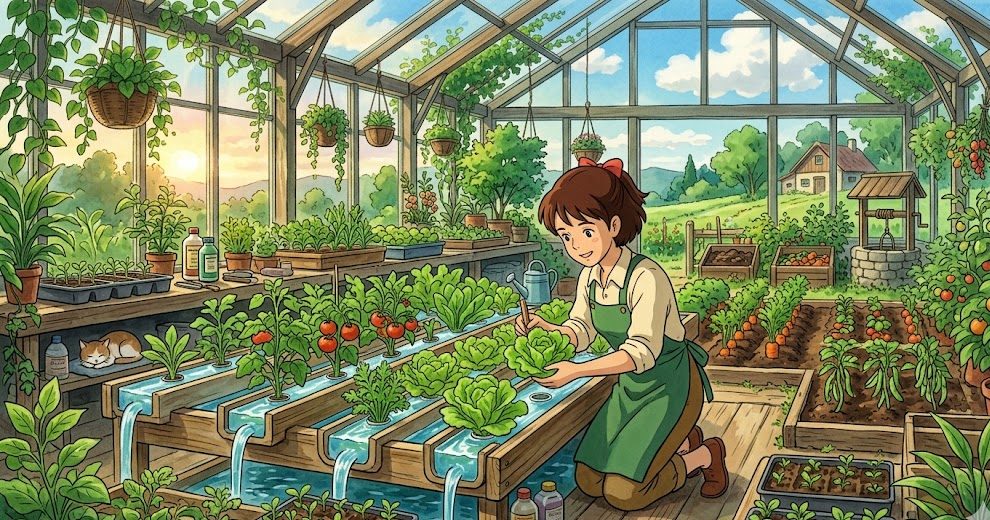
The most successful modern farms utilize synergy. For example, in an Aquaponics system, the waste produced by farmed fish (like Tilapia) provides the nutrient-rich water required to grow leafy greens or herbs. The plants, in turn, act as a biological filter for the fish tank.
- Economic Impact: You are essentially creating two distinct revenue streams—fish protein and high-value produce—using a single resource footprint. This dual-income model provides a buffer; if the market price for greens dips, the fish harvest stabilizes your revenue.
The Role of Waste-to-Resource
Diversification extends to how you manage biomass. Instead of disposing of crop residues, modern farms utilize on-site composting or vermiculture (worm farming). This process turns “trash” into high-quality organic fertilizer, eliminating the need to purchase expensive synthetic inputs and lowering your total cost of production.
2. Selecting High-Value Crops for Maximum ROI
Profitability in diversified farming is not about growing “more”; it is about growing “better.” Focus on crops that have a high value-to-volume ratio, allowing you to generate significant revenue from a limited footprint.
Exotic Mushrooms
Mushrooms, such as Lion’s Mane, Shiitake, and Oyster, are the gold standard for high-value farming. They require minimal space, can be grown in vertically stacked racks, and demand a premium price in health food stores and gourmet restaurants. Because they thrive in controlled, dark environments, they are perfect for maximizing unused indoor space on your farm.
Organic Microgreens and Culinary Herbs
If you have access to a local urban market, microgreens and exotic herbs are your fastest path to cash flow. These crops have a short growth cycle—often just 10 to 14 days—allowing for multiple harvest cycles per month. Their high demand from the hospitality sector ensures that your produce rarely sits in inventory.
Medicinal and Essential Oil Plants
Crops like lavender, rosemary, or peppermint can be sold raw, but their true value lies in value-added processing. By distilling these into essential oils or drying them for organic tea blends, you move up the value chain, capturing the profit that would otherwise go to the middleman.
3. Risk Mitigation through Diversification
Why diversify? The simple answer is Stability.
Crop Rotation and Intercropping
Modern farmers avoid the “all eggs in one basket” approach. By practicing Poly-culture (growing multiple crops in proximity), you disrupt the life cycles of pests. If a specific aphid targets your lettuce, the nearby marigolds or aromatic herbs will act as a natural deterrent, protecting your main harvest without the need for chemical intervention.
Multi-Channel Revenue
Diversification should also be reflected in how you sell. A robust modern farm uses three primary channels:
- Direct-to-Consumer (D2C): Weekly farm boxes or e-commerce subscriptions.
- B2B: Supplying specialty ingredients to high-end restaurants and bakeries.
- Value-Added: Selling shelf-stable products like jarred sauces, dried herbs, or tinctures during the off-season.
4. Technology as the Integrator
You cannot manage a diversified farm using a notebook and intuition alone. Integration requires data.
- Unified Farm Management Software: Use digital platforms to track the growth cycles and input costs of every individual crop/system. This allows you to identify which “branch” of your farm is the most profitable and which needs optimization.
- Smart Scheduling: AI-based scheduling tools help you plan your planting so that your harvests are staggered. This ensures a consistent cash flow throughout the year, rather than one big “lump sum” harvest that leaves you dry for the rest of the season.
5. The “Low-Footprint” Advantage
Diversification allows you to produce more food on less land, which is critical if you are operating in peri-urban or high-rent areas.
- Verticality: By integrating vertical towers for greens and rack-based systems for mushrooms, you are essentially multiplying your farmable land area.
- Resource Sharing: A smart diversified farm shares infrastructure. The same energy used to run your climate control system can be optimized to serve both your greenhouse (plants) and your mushroom rooms, spreading the overhead costs across multiple profit centers.
6. Building the Brand
In the modern market, consumers don’t just buy “produce”; they buy a story. When you diversify your offerings, you create a brand identity of a “sustainable food hub.” This builds customer loyalty. A customer who comes to you for fresh basil today might stay for your artisanal mushroom powder tomorrow. This cross-selling potential is a massive advantage that single-crop farms simply do not have.
Conclusion: The Resilient Producer
Modern Diversified Farming is the shift from “farming as a labor task” to “farming as a strategic enterprise.” By integrating biological systems (like aquaponics and composting), focusing on high-value crops (mushrooms and herbs), and using data to manage the complexity, you build an operation that is inherently stable.
Diversity is your insurance policy. When you have multiple revenue streams and a robust, integrated ecosystem, you are no longer at the mercy of a single market trend or a single weather event. You are building an agricultural legacy that is not only profitable but also deeply sustainable for the future.